The Leading News & Information Service For The Facilities, Workplace & Built Environment Community
Heat Pumps Work – So How Do We Make The Market Work For Heat Pumps?
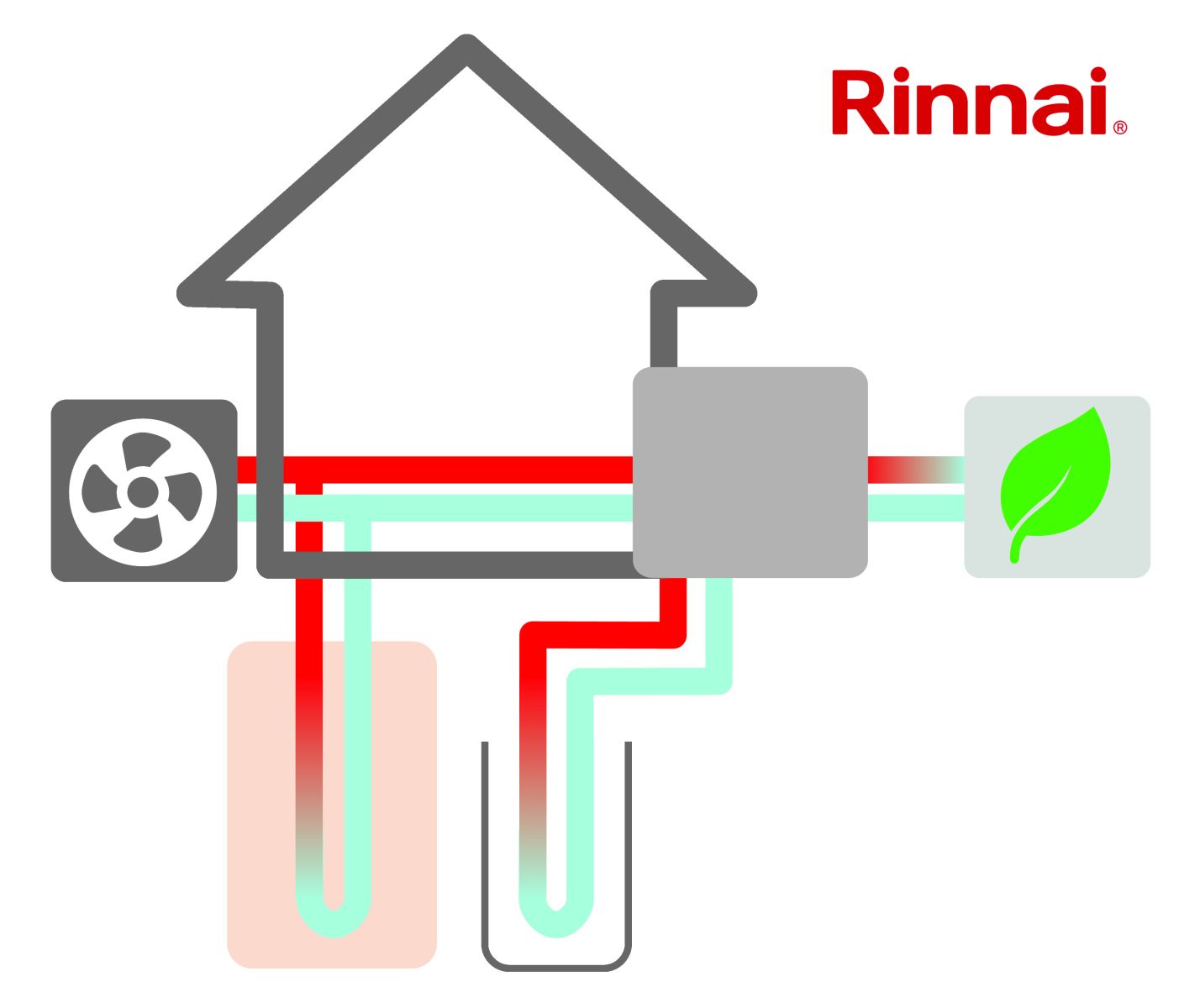
Rinnai Director Chris Goggin explains how heat pump market growth is essential, but volume alone cannot deliver decarbonisation. The market must also protect system quality, affordability and long-term performance.
Subscribe to our free newsletter for free policy and energy updates
The UK Government has outlined a pathway towards decarbonisation that will require a significant increase in heat pump deployment. The Warm Homes Plan, published in January 2026, includes an ambition to achieve 450,000 heat pump installations per year by 2030. The important question is whether increasing heat pump adoption will be matched by high-quality installations, affordable running costs and operationally effective systems.
Heat pump awareness and popularity continue to grow as the UK transitions towards lower-carbon forms of heating and hot water.
Currently just 1% of UK homes use heat pumps as a primary source of heating and hot water. For every heat pump sold there are 15 gas boilers purchased, which still means that traditional energy is still the favoured and most trusted form of heating and hot water provision. But, as of 2024 UK heat pump sales were recorded at 98,345, up from 62,906 from 2023. Between 2025 and 2030 the UK heat pump market is expected to expand by 11.10% CAGR (Compound Annual Growth Rate). Heat pump awareness and popularity is evidently rising.
As widespread heat pump adoption increases, what are the challenges that could be created by rapidly increasing deployment? Running costs are one important consideration for UK customers.
As heat pumps rely on electricity, several factors combine to determine their operating costs. Although heat pumps can deliver several units of useful heat for each unit of electricity consumed, the relationship between electricity and gas prices means system efficiency, operating temperatures, controls and demand profiles are critical to the running-cost outcome. Industry evidence indicates that heat pumps can be more than three times as efficient as fossil-fuel boilers.
The electricity network will require significant investment as the country electrifies heating, transport and other areas of energy demand. This reinforces the importance of considering the complete economic and operational case for electrification, rather than simply comparing individual appliances.
Installation quality is an area that must remain a priority as heat pump deployment increases. As the market expands, demand for appropriately trained and skilled professionals will also increase. Maintaining installation standards alongside increasing deployment will therefore be essential.
As uptake of heat pumps is encouraged by UK policymakers, there will be additional effects that influence the heat pump market. Skills is one of the key areas. The heating and hot-water industry will need to continue attracting and training professionals with the skills required to design, install and commission increasingly sophisticated low-carbon systems.
Growing the number of appropriately skilled heat-pump engineers alongside deployment will therefore be important. Increasing installation numbers without developing the necessary skills base could place pressure on installation quality and customer experience.
Heat pump design must also remain a priority as the technology moves from a relatively specialised market towards the mainstream. Increased deployment should not result in a "one size fits all" approach. Heat pumps must be sized correctly in conjunction with the unique characteristics of the property, its heat and hot-water demand and the required operating temperatures, particularly in older and more complex buildings. A standardised approach that does not adequately consider these factors could result in customer dissatisfaction.
Supply-chain issues may also need to be considered as global demand for electrification technologies increases. Materials such as copper and aluminium are important in the manufacture of heat-pump components and are also required by sectors including electric vehicles and infrastructure. Increasing demand across multiple industries could therefore place additional pressure on supply chains.
Poor implementation of widespread heat-pump introduction could result in a loss of customer confidence and potentially undermine the wider transition towards lower-carbon heating and hot water. Ensuring systems perform as customers expect is therefore important to maintaining confidence in the technology.
How does the UK customer prevent these problems? If you require a traditional or low-carbon heating and hot-water system, it is advisable to research manufacturers that provide system design alongside transparent CAPEX, OPEX and carbon evaluations.
Manufacturers that employ teams of system-design and engineering professionals can assess domestic or commercial buildings and recommend an optimised heating and hot-water system based upon the actual requirements of the property. Doing so can reduce the possibility of installations being designed without sufficient data and allows different technologies and system configurations to be compared before investment decisions are made.
Heat pumps are a viable form of heating and hot-water provision, but their success is dependent on a practical rollout that optimises their operational ability. Policy and system design should also recognise that different buildings have different technical, economic and infrastructural requirements.
Heat pumps will play an important role in the transition, but in some applications electric systems, heat pumps combined with storage, carefully designed hybrid systems or other lower-carbon energy sources may provide a practical pathway. The important principle is that technology should follow the requirements of the application.
For commercial properties, this means understanding peak hot-water demand, recovery requirements, operating temperatures, electrical capacity, plant space and building usage before determining the appropriate technology.
Rinnai monitors domestic and international developments relating to traditional and low-carbon energy. Knowledge beneficial to the UK customer is shared with the aim of improving customer decision-making and creating a more informed and satisfied customer base. Ultimately, the success of heat-pump deployment should be measured not simply by the number of units installed, but by systems that perform as designed, remain affordable to operate and deliver the intended carbon reductions.
Rinnai offers clear pathways to lower carbon and decarbonisation
Plus customer cost reductions for commercial, domestic
And off-grid heating & hot water delivery and off-grid heating & hot water delivery
-
Rinnai’s range of decarbonising products - H1/H2/H3 - consists of hot water heating units in gas/BioLPG/DME, hydrogen ready units, electric instantaneous hot water heaters, electric storage cylinders and buffer vessels, a comprehensive range of heat pumps, solar, hydrogen-ready or natural gas in any configuration of hybrid formats for either residential or commercial applications. Rinnai’s H1/2/3 range of products and systems offer contractors, consultants and end users a range of efficient, robust and affordable low carbon/decarbonising appliances which create practical, economic and technically feasible solutions.
-
Rinnai is a world leading manufacturer of hot water heaters and produces over two million units a year, operating on each of the five continents. The brand has gained an established reputation for producing products that offer high performance, cost efficiency and extended working lives.
-
Rinnai products are UKCA certified, A-rated water efficiency, accessed through multiple fuel options and are available for purchase 24/7, 365 days a year. Any unit can be delivered to any UK site within 24 hours.
-
Rinnai offer carbon and cost comparison services that will calculate financial, and carbon savings made when investing in a Rinnai system. Rinnai also provide a system design service that will suggest an appropriate system for the property in question.
-
Rinnai offer comprehensive training courses and technical support in all aspects of the water heating industry including detailed CPD’s.
-
The Rinnai range covers all forms of fuels and appliances currently available - electric, gas, hydrogen, BioLPG, DME solar thermal, low GWP heat pumps and electric water heaters More information can be found on Rinnai’s website and its “Help Me Choose” webpage.
Rinnai full product availability 24/7 for next day delivery of all hot water heating unit models including 48-58kW units.
Average savings of:
20% REDUCTION of Opex cost
30% REDUCTION of initial cost
15% REDUCTION in carbon
75% REDUCTION of space
For more information on the RINNAI product range visit our website.