BRE Launches BREEAM Refurbishment And Fit Out Commercial Version 7
02 October 2026
The Building Research Establishment (BRE) – an international building science centre – has launched BREEAM Refurbishment and Fit Out Commercial Version 7 (BREEAM RFO V7), an updated framework comprising two sustainability standards designed to help building owners, occupiers and developers reduce carbon, improve resilience and protect the long-term value of existing commercial buildings.
With 80% of the buildings that will be occupied in 2050 already in existence, improving the performance of existing buildings is increasingly recognised as a critical component of the transition to net zero1. Deep retrofits can result in 50–75% less carbon than constructing the same building from scratch2, while more than 170 million square metres of office space across major European markets could become obsolete by 20303, as ageing buildings struggle to meet increasingly stringent climate and sustainability requirements, highlighting the growing need for investment in existing assets. As the industry looks to decarbonise assets, manage climate risk and protect long-term value, the role of refurbishment is vital.
BREEAM Refurbishment and Fit Out Version 7 provides a framework for assessing and improving the sustainability of commercial refurbishment and fit out projects. It helps reduce environmental impact, strengthen resilience, improve energy efficiency and occupant comfort, and create long-term value from existing assets.
The two standards are:
BREEAM Refurbishment V7 – for projects involving changes to a building’s fabric core systems or operational performance
BREEAM Fit Out V7 – for tenant-led or interior-focused projects where the wider building structure and core systems are not being significantly altered
Both new standards help project teams reduce carbon across a building’s lifetime and make better-informed decisions about its future performance. They support more accurate predictions of energy use, while BREEAM Refurbishment V7 also helps buildings manage energy demand and respond to changing grid conditions. Together, the standards help owners plan for the transition to net zero, manage risk and protect long-term asset value, with further environmental benefits from retaining existing building elements and making more sustainable material choices.
They provide measurable, independently certified outcomes that can be benchmarked consistently across different countries and markets, while performance-led energy assessments help translate design intent into measurable, real-world outcomes.
The BREEAM RFO V7 standards comprise a flexible model that includes fabric and structure, core services, local services and interior design. This enables assessments to align closely with the scope of refurbishment or fit out works, reflecting the differing responsibilities of owners and occupiers while accounting for the varied lifecycle timelines of building systems, infrastructure and interior elements.
The standards also introduce a five-part resilience framework covering hazard screening, climate risk assessment, resilience planning, protection from operational and malicious risks, and contribution to local resilience. This supports a proactive and risk-based approach to climate adaptation, operational continuity and long-term asset performance.
Tom Wilson, Director of BREEAM, said: “The buildings we will need in 2050 are largely already here. Many will still be part of our towns and cities when our children and grandchildren are living and working in them. We have a responsibility to make sure they are fit for that future.”
Wilson continued: “BREEAM Refurbishment and Fit Out Version 7 helps owners, occupiers and project teams make practical choices that cut carbon, improve performance and create healthier, more resilient places for people.
Wilson added: “Every building we improve is one we do not have to replace. By giving existing buildings a new lease of life, we can protect their value today while leaving a better built environment for generations to come.”
1. UKGBC report - 80% of the buildings that will be occupied in 2050 already exist – see here.
2. World Economic Forum - Deep retrofits of existing buildings can result in 50-75% less carbon – see here.
3. Cushman & Wakefield - 170 million+ square metres of office space could become obsolete by 2030 – see here.
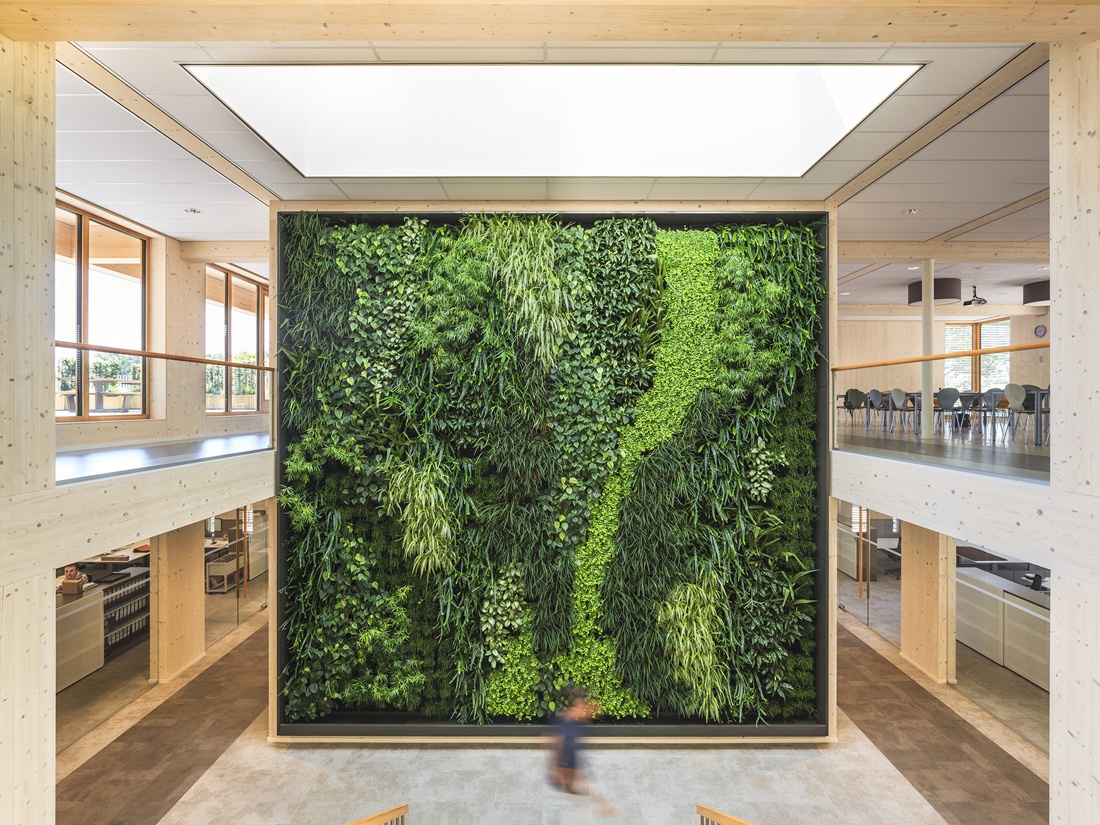
Picture & Credit: Geelen Counterflow headquarters / office building in Haelen, Limburg, the Netherlands.
Article written by Dave Mapps | Published 02 October 2026
BRE Urges Tory Leadership Candidates to Pledge to Decarbonise the UK’s Buildings
Gillian Charlesworth, CEO of the Building Research Establishment, has penned an open letter to Rishi Sunak and Liz Truss, to urge them to publish credible and effective...
The Building Research Establishment has updated its sustainability assessment method for construction projects.
BREEAM New Construction Version 7 (NC V7) incorporates...
Building Research Establishment to Lead on Future Homes Standard Methodologies
The Building Research Establishment will work with the Department for Energy Security and Net Zero to develop both the Home Energy Model product recognition system and...
Plans to find a new home for Historic Environment Scotland’s archives have been halted due to the rising cost of materials and labour.
Archive House, an existing...
Global Green Building Alliance Publishes Sustainable Finance Guide
The recently formed Global Green Building Alliance has created a sustainable finance guide to drive the $35m investment needed across the globe to achieve...
Building Research Establishment Forms Sustainable Built Environment Alliance
Three green building authorities, including the Building Research Establishment, have formed an industry-first, international alliance to raise awareness of sustainable...
A building in Bonnyrigg will be retrofitted to become a world-class facility to house Historic Environment Scotland’s archives.
Several locations across central...
Beyond SCOP - Estimating Real World Heat Pump Performance With SPF
Rinnai Applied Head of Design Sean Ehlen evaluates the importance of heat pump system congruity utilising Seasonal Performance Factors (SPF) as the expected performance. Click Image To Read More
Energy Transition Update
ThisWeekinFM Guest Editor, Daniel Lynn, has picked a number of examples that demonstrate an international energy transition across separate regions of the globe. Click Image To Read More
Boat Party 2026 Highlights
9 July 2026
400 FM professionals gather on the River Thames. Learn More Here >>
2027 Date announced soon.
Are Heat Pumps Really The Future?
Rinnai Director, Chris Goggin, looks at how heat pumps being classified as a main solution towards decarbonisation compares to the direction of the UK’s low carbon heating and hot water technology market. Click Image To Read More
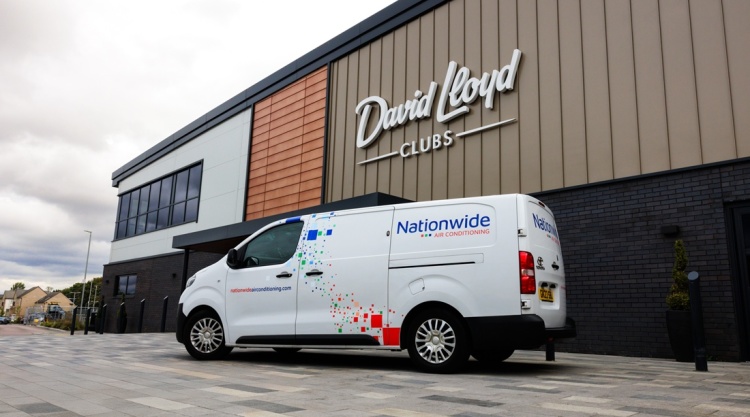
Nationwide Air Conditioning Extends David Lloyd Contract
Their 15-year partnership extended to cover Ireland, over 115 clubs and over 10,000 assets. Click Image To Read More


.gif)

.gif)