As another exceptionally hot and dry summer places pressure on water resources across the UK, Cistermiser is urging the construction industry to make water efficiency a higher priority, warning that the conditions which led to the company’s creation half a century ago are no longer a once-in-a-generation event.
The summer of 1976 remains one of the most severe droughts in UK history. Following months of exceptionally low rainfall and prolonged heat, reservoirs reached critically low levels, standpipes appeared on streets in some areas and widespread water restrictions were introduced. The crisis also sparked innovation, with Cistermiser founded in its wake to develop practical solutions that would reduce unnecessary water consumption in commercial buildings.
Fifty years on, the UK is once again experiencing record-breaking temperatures and prolonged dry conditions and 2026 has seen all time temperature records broken in consecutive days. According to the Met Office, the UK’s climate is becoming warmer, with extreme heat events now significantly more likely than they were in previous decades as a result of climate change. Meanwhile, the Environment Agency has warned that England could face a shortfall of around five billion litres of water every day by 2055 unless demand is reduced and new supplies are developed.
Despite growing awareness of sustainability, significant volumes of treated drinking water continue to be wasted in commercial and public buildings through inefficient washroom controls, ageing cisterns and poorly managed water storage systems.
Water-saving technologies, including infrared sensor controls, direct flush systems and intelligent urinal flushing products, are designed to reduce unnecessary water use without compromising hygiene or user experience. By ensuring water is used only when required, these solutions can help facilities managers and building owners achieve substantial reductions in water consumption across offices, schools, healthcare facilities and other commercial premises.
Alongside water use at the point of consumption, efficient management of stored water also plays an important role in reducing waste. Delayed-action float valve technology helps maintain accurate water levels within cold water storage tanks, reducing the risk of overflow, unnecessary replenishment and avoidable water loss.
Together, Cistermiser and Keraflo can provide complementary solutions that support more efficient water management throughout commercial buildings, from storage through to end use.
With climate experts warning that hotter, drier summers are likely to become increasingly common, Richard Braid believes the lessons learned during the drought of 1976 remain just as relevant today.
Richard Braid, Managing Director of Cistermiser and Keraflo, said: “When people think back to 1976, they remember the unprecedented heat, drought orders and the impact water shortages had on everyday life. The difference today is that these conditions are becoming more frequent. We’re seeing hotter summers, greater pressure on our water infrastructure and increasing demand from a growing population. Water efficiency can no longer be viewed as something that’s only important during periods of drought – it needs to be embedded into the design, specification and management of commercial buildings every day.”
Braid continued: “The technology needed to make meaningful water savings is already available. Often, relatively straightforward upgrades can deliver significant reductions in water consumption while lowering operating costs and supporting wider sustainability objectives. The challenge is ensuring water efficiency receives the same attention as energy efficiency during refurbishment projects and new developments.”
Braid added: “Fifty years ago, the drought prompted a new way of thinking about water conservation. As we face similar challenges today, the industry has another opportunity to take proactive steps that will improve resilience, reduce waste and help safeguard one of our most precious resources for the future.”
Picture: An image of a dripping tap in an arid landscape.
Article written by Dave Mapps | Published 24 July 2026
WaterGuard: Intelligent Governance For Water Hygiene In The Smart Building Era
Patrick Turner, Director at WaterGuard warns the FM sector in the UK faces a quiet crisis in water hygiene.
While buildings grow smarter and more connected, the...
Waterwise, an independent authority on water efficiency in the UK, is adapting its water-saving advice to the current situation.
Water Saving Week 2020 is being...
Beyond SCOP - Estimating Real World Heat Pump Performance With SPF
Rinnai Applied Head of Design Sean Ehlen evaluates the importance of heat pump system congruity utilising Seasonal Performance Factors (SPF) as the expected performance. Click Image To Read More
Energy Transition Update
TThisWeekinFM Guest Editor, Daniel Lynn, has picked a number of examples that demonstrate an international energy transition across separate regions of the globe. Click Image To Read More
Rinnai Director, Chris Goggin, looks at how heat pumps being classified as a main solution towards decarbonisation compares to the direction of the UK’s low carbon heating and hot water technology market. Click Image To Read More
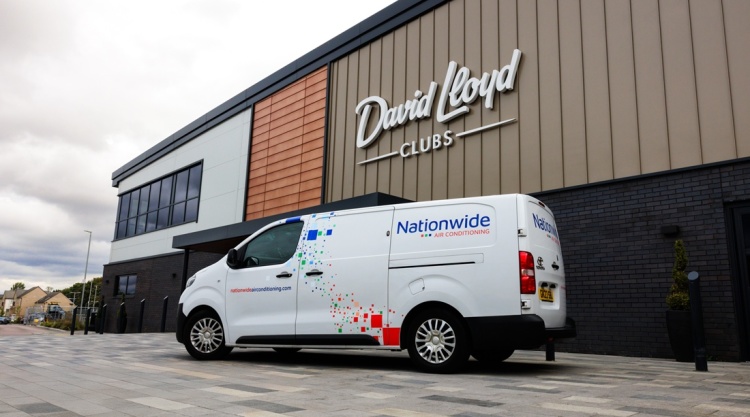
Nationwide Air Conditioning Extends David Lloyd Contract
Their 15-year partnership extended to cover Ireland, over 115 clubs and over 10,000 assets. Click Image To Read More
Boat Party 2026 Highlights
9 July 2026
400 FM professionals gather on the River Thames. Learn More Here >>
2027 Date announced soon.
Risk Now A Critical Piping System Specification
James Griffiths, Head of Projects at GF Building Flow Solutions, explores how pipe theft forces industry to reconsider long-established specification decisions. Click Image To Read More

.gif)

.gif)