.gif)
.gif)


BSI Publishes UK’s First Workplace Suicide Risk Standard
New guidance to help employers support people affected by suicide and those with thoughts of suicide in the workplace has been published by The British Standards...
Read Full Article.png)

The Leading News & Information Service For The Facilities, Workplace & Built Environment Community

Caroline Roodhouse, Suicide Postvention Advocate, outlines the UK’s first formal framework for organisations to understand the risks of suicide and take meaningful, practical action.
Caroline is a best-selling author, speaker and advocate transforming how we talk about suicide, grief and healing. After losing her husband to suicide in 2018, she turned personal tragedy into a mission rooted in hope, honesty and humanity. Through her book Daddy Blackbird, she shares life-saving messages that create space for honest, healing conversations. A Strategic Communications and Wellbeing Specialist, and author of the British Standard’s First Steps Guide to Suicide and the Workplace, Caroline helps organisations build emotionally intelligent, human-centred cultures. A mother of two, she leads with empathy, courage and connection. Her message is clear: how we speak saves lives.
More than 7,000 people die by suicide in the UK each year, and many are working-age adults. 75 per cent of those losses are men, and every death affects at least 135 people, including colleagues. Facilities management, a profession that sits at the heart of operational delivery, culture and people experience, is uniquely positioned to notice early signs of distress and set the tone for compassionate, safe working environments. But do people know what to look out for, or how to respond if they are concerned about a colleague?
The new British Standard BS 30480:2025 Suicide in the Workplace – Intervention, Prevention and Support offers the UK’s first formal framework for organisations to understand the risks and take meaningful, practical action. In the first few weeks since launch, the Standard has been downloaded over 5,000 times, but, like all good standards, its value depends on it being used.
To support busy teams, particularly operational roles within SMEs, the accompanying First Steps Guide breaks the Standard down into five achievable actions. These give organisations a clear starting point and help embed the preventative, proactive culture the Standard encourages.
This matters more than ever. Although changing, facilities management remains a male-dominated sector where a “macho” mindset can make it difficult for men to speak openly if they are struggling. High-pressure environments, demanding shift patterns and teams dispersed across multiple sites add further complexity.
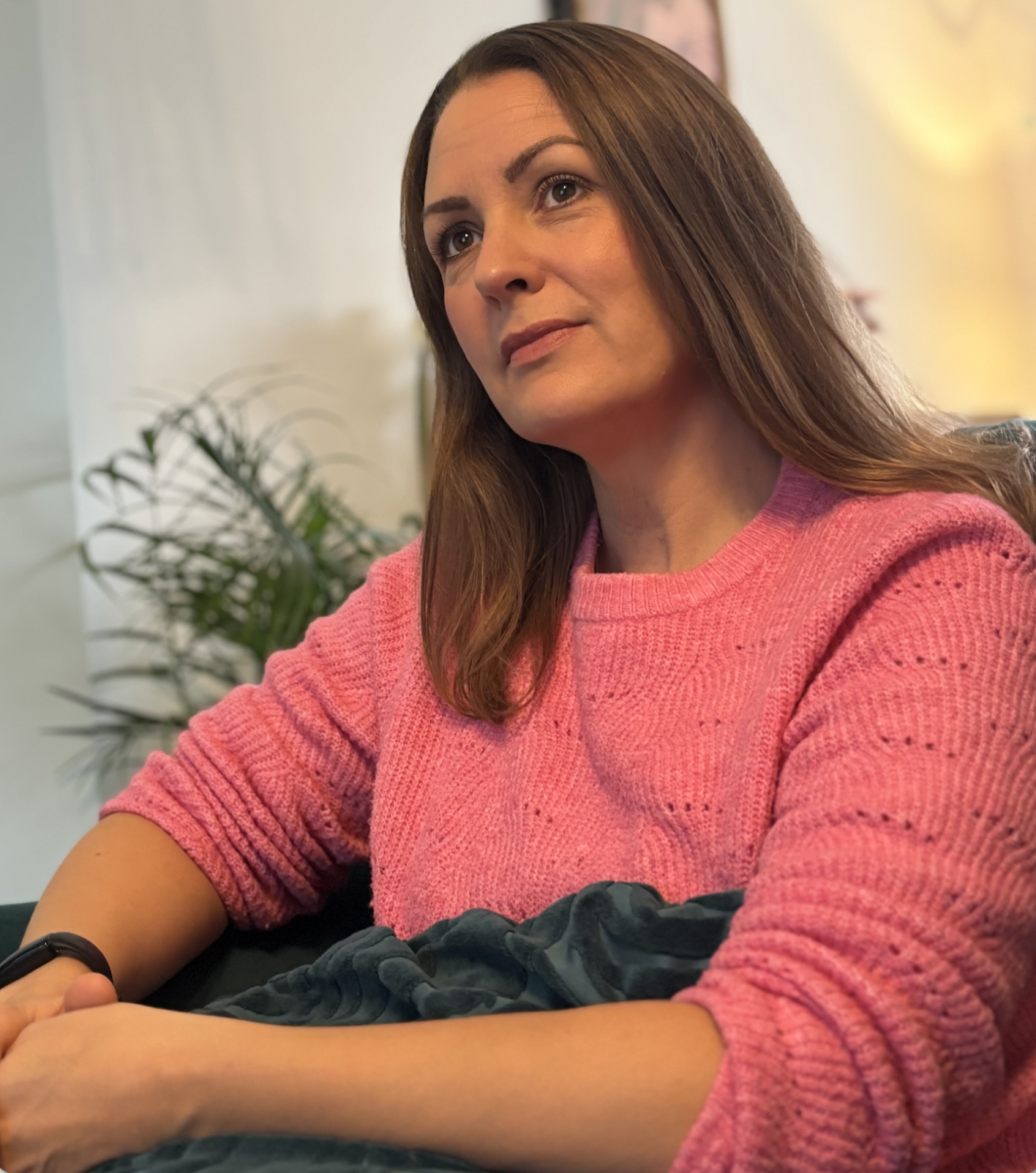
Picture: a photograph of Caroline
Making BS 30480 accessible for organisations approaching suicide prevention and support for the first time, this guide encourages people to recognise that many supportive activities already exist in day-to-day practice, like structured supervision, lone-worker policies and EAP access. The aim is to build on this, reduce fear, enhance communication and encourage early action.
Here are the guide’s five suggested first steps:
The starting point is simple but powerful: acknowledge that suicide is a workplace issue and demonstrate a commitment to addressing it. This involves sharing a clear statement of intent from leadership and aligning existing policies with the Standard’s principles. Visible leadership commitment is key - dispersed teams need reassurance that support is genuine and accessible, not something that sits quietly in central HR documents. The Standard also recommends appointing a suicide prevention lead who can dedicate time and attention to this role.
"FM teams working across different sites need bite-sized tools: short briefings, digital resources, conversation cards or toolbox-talk content. These help normalise the subject, debunk myths, and empower staff to act confidently and safely."
Managers and frontline staff often notice early changes, but they may not know what they’re seeing. BS 30480 emphasises the importance of basic knowledge on suicide risk, safe and helpful language and understanding the difference between suicidal thoughts and suicidal behaviours.
FM teams working across different sites need bite-sized tools: short briefings, digital resources, conversation cards or toolbox-talk content. These help normalise the subject, debunk myths, and empower staff to act confidently and safely.
Support must be visible, accessible and practical, especially for teams which aren’t desk-based. The guide recommends sharing internal and external support consistently through content and channels like posters in break rooms and canteens, QR codes in vehicles or on ID badges, intranet hubs, team gatherings and shift handovers.FM workers need to know exactly how to access help, including EAP services which many people have access to but don’t know how to use.
The First Steps Guide points towards the Standard’s helpful tables of warning signs, behavioural changes and risk factors, all of which can be lifted directly into internal communications. For FM teams, this includes recognising distress masked by presenteeism, fatigue or withdrawal, which can be harder to notice across multiple locations. Training is strongly encouraged, ideally trauma-informed and culturally appropriate. Leadership should be trained first so they can confidently oversee the approach.
“I believe we can save lives and support people affected by suicide if we are ready to ask, listen, respond with care, and signpost to support,” says Julie Castleman, Mental Health & Suicide Prevention Trainer at Junah Ltd and member of the Standard’s communications and engagement committee. “The heart of Junah’s mission is helping individuals and organisations create suicide safer communities, where we talk more openly about suicide. Training like this, aligned to the Standard, equips workplaces with skills to prevent suicide, respond in crisis, and support those affected by suicide."
Postvention - the support following a suicide - is essential to recovery and operational continuity. The Standard highlights that suicide is not the same as an accidental or natural death; investigations, inquests and stigma can complicate the experience for colleagues. Workers may be particularly impacted if they have experienced the suicide of a family member or if they discovered a death, were first on scene, or supported emergency responders. Clear, compassionate plans ensure communication, care and business continuity are handled safely.
The guide recommends starting with the basics: identify what support exists now, fill immediate gaps, and adapt the plan to your specific risks and structure.
Marcus Long, Chief Executive of IIOA, Chair of the communications & stakeholder group for BS 30480 and instigator of the Standard, said: “The publication of BS 30480 is a huge achievement, but its impact depends on organisations being able to confidently implement its principles. That’s why the First Steps Guide is so important. It distils the Standard into clear, practical actions that any organisation can begin right now. I urge employers to download and use the guide. Everyone will find something achievable and meaningful they can put in place to help address the often-hidden issue of suicide.”
Starting small still saves lives. The most important step is the first one.
Download the First Steps Guide today.
Picture: a graphic that depicts three miniature figures, carrying tools up to an oversized cross-section of a human head. The image is intended to indicate mental health. Image Credit: Adobe Stock
Article written by Caroline Roodhouse | Published 16 December 2025
New guidance to help employers support people affected by suicide and those with thoughts of suicide in the workplace has been published by The British Standards...
Read Full ArticleUK security provider Corps Security is looking to address the ongoing mental health struggles in their industry by hosting an awareness event in London. “Mental...
Read Full ArticleFacilities services provider ABM, alongside other industry players, is raising awareness about suicide prevention at a London conference. Taking place on 8 September...
Read Full ArticleTo launch the new series of Ricky Gervais’ After Life, 25 permanent benches have been installed around the UK to encourage people to talk about their feelings....
Read Full ArticleHow the New BS30480 Standard is Transforming Workplace Suicide Prevention, Intervention and Postvention. An interview with Caroline Roodhouse, Founder, Daddy...
Read Full ArticleThe Health and Safety Executive has published its annual statistics on work-related ill health and workplace injuries for 2024/25. Mental health conditions remain the...
Read Full ArticleA new digital learning and wellbeing platform to connect construction workers with tailored mental health support will be piloted over the next year. Two construction...
Read Full ArticleA landmark survey into the mental health issues facing those working in construction and the built environment has launched. The Chartered Institute of...
Read Full ArticleA charity that works with armed forces' veterans is now offering a series of trauma awareness training for security employers. In conjunction with Assist Security...
Read Full ArticleActor Brian Cox has joined the campaign to raise awareness that continuous desk work negatively affects stress levels. A global report exploring the impact of daily...
Read Full Article