.gif)
.gif)

Phase One of Awaab’s Law Takes Effect
As of 27 October 2025, new reforms will force social landlords to address emergency hazards in their housing stock within 24 hours. This is the first phase of...
Read Full Article

The Leading News & Information Service For The Facilities, Workplace & Built Environment Community
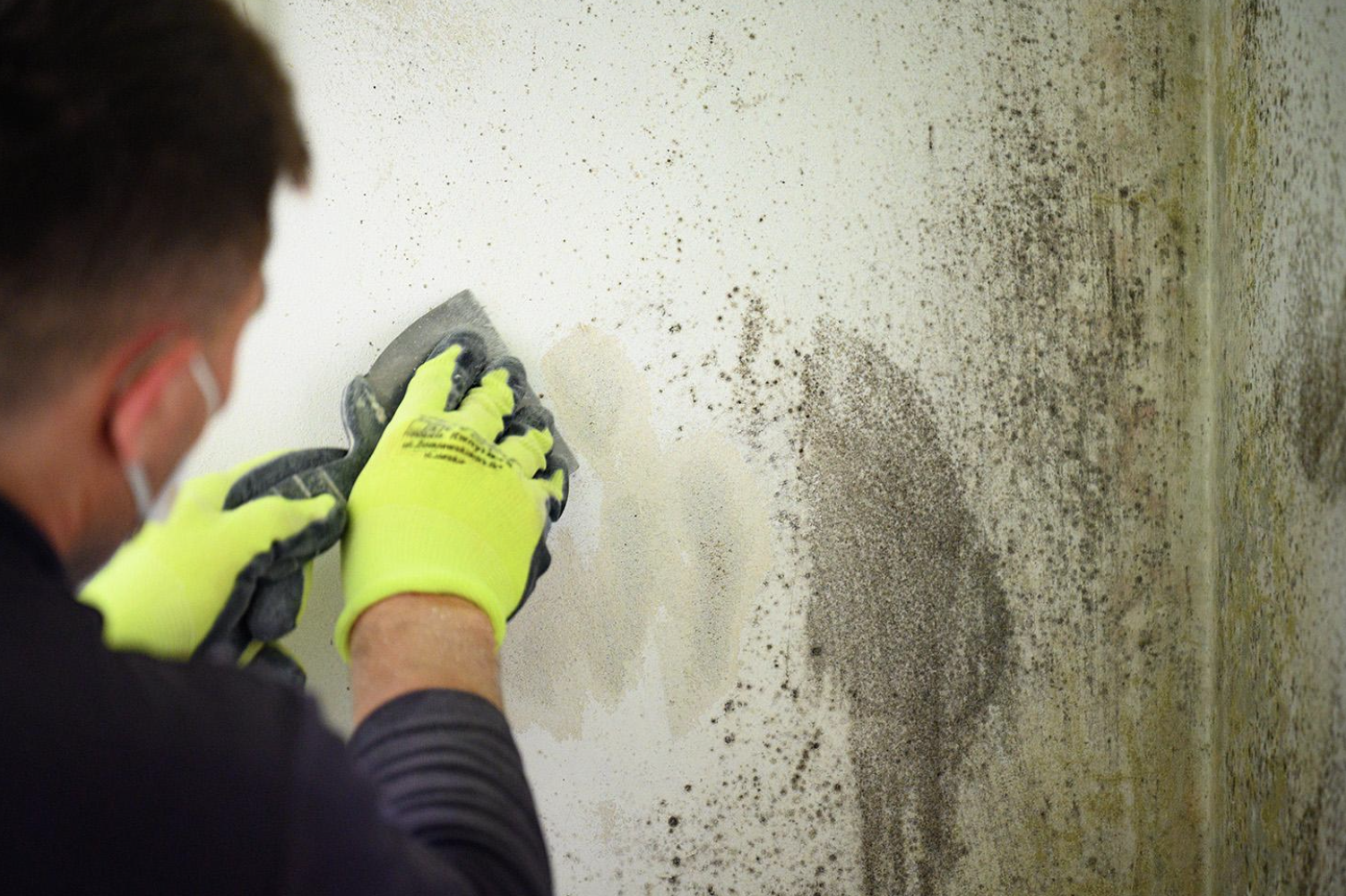
The current record of slow compliance with the government’s Decent Homes Standard is raising questions about how quickly and effectively Awaab’s Law will deliver change.
English Housing Survey data analysed by inspection software platform Inventory Base shows that in 2013, more than ten years after the Decent Homes Standard (DHS) was introduced, approximately 593,000 social homes still fell below the standard. By 2023, around 428,000 homes still fell short of these standards. Inventory Base forecasts that by the end of 2025, nearly 405,000 homes will remain classified as “non-decent”.
The DHS was first implemented in 2001, and is a regulatory standard that defines a “decent rented home” with minimum housing quality requirements for social landlords, including local authorities and housing associations. This includes effective heating, insulation, and “reasonably modern” facilities and services. Consequences for non-compliance include fines, enforcement notices, and potential criminal prosecution.
Inventory Base argues that legislation alone “cannot drive meaningful change without robust enforcement and proactive management” and has raised concerns about how effectively new legislation, such as Awaab’s Law, can be enforced in practice.
Through Awaab’s Law, social landlords will have to address damp and mould hazards that present a significant risk of harm to tenants within fixed timescales. Landlords will also have to address all emergency repairs as soon as possible and within no longer than 24 hours.
“The persistent gap in Decent Homes Standard compliance underlines a hard truth: legislation alone cannot drive meaningful change without robust enforcement and proactive management,” said Sián Hemming-Metcalfe, Operations Director at Inventory Base, said: “Awaab’s Law is a vital step forward, but unless landlords and managers are utilising efficient systems to identify and address hazards before they escalate, the same implementation delays that plague DHS compliance are likely to resurface.
“Social housing providers must now adopt a preventative mindset, conducting regular inspections, logging issues comprehensively, and maintaining a clear, auditable digital workflow to ensure accountability and timely resolution.
“The private rented sector should also take note. With the proposed Renters’ Rights Bill set to introduce stricter compliance requirements, the need for digitised, standardised property management is becoming universal. Failing to adapt risks causing real harm to tenants. In a climate of increasing scrutiny, transparency and timely action are not optional, they are operational necessities."
Picture: a photograph of someone cleaning mould and mildew from a wall. Image Credit: Adobe Stock
Article written by Ella Tansley | Published 29 September 2025
As of 27 October 2025, new reforms will force social landlords to address emergency hazards in their housing stock within 24 hours. This is the first phase of...
Read Full ArticleSocial landlords will be forced by law to investigate and fix dangerous mould and other emergency hazards in their housing stock. From October 2025, social landlords...
Read Full ArticleBuilding and property maintenance company Wates has launched a new “healthy homes” service to help social housing landlords to reduce disrepair,...
Read Full ArticleA consultation has been launched to explore introducing strict time limits for social housing providers to address dangerous hazards such as damp and mould....
Read Full ArticleRemedial work to England’s poorest quality housing could provide £135.5 billion in societal benefits over the next 30 years. These benefits include...
Read Full ArticleEmma Mahy summarises the main findings of the final analysis of the Regulator of Social Housing’s report into damp and mould in social housing Released on 28...
Read Full ArticleA new report from the Building Research Establishment reveals that poor housing in the UK is costing the NHS £1.4 billion a year, with a further 2.6 million homes...
Read Full ArticleA Sky News investigation has revealed that a manager at Clarion Housing encouraged an employee to falsify a fire safety notice in one of the housing association’s...
Read Full ArticleA social housing complex for over-65s is the winner of the RIBA Stirling Prize 2025. Appleby Blue Almshouse isn’t just about providing shelter; it's...
Read Full ArticleLandmark security legislation, Martyn’s Law, has gained Royal Assent. The Terrorism (Protection of Premises) Bill is in response to the 2017 Manchester...
Read Full Article