The Leading News & Information Service For The Facilities, Workplace & Built Environment Community
Spotlight Interview – Chris Goggin | Rinnai – Part 2
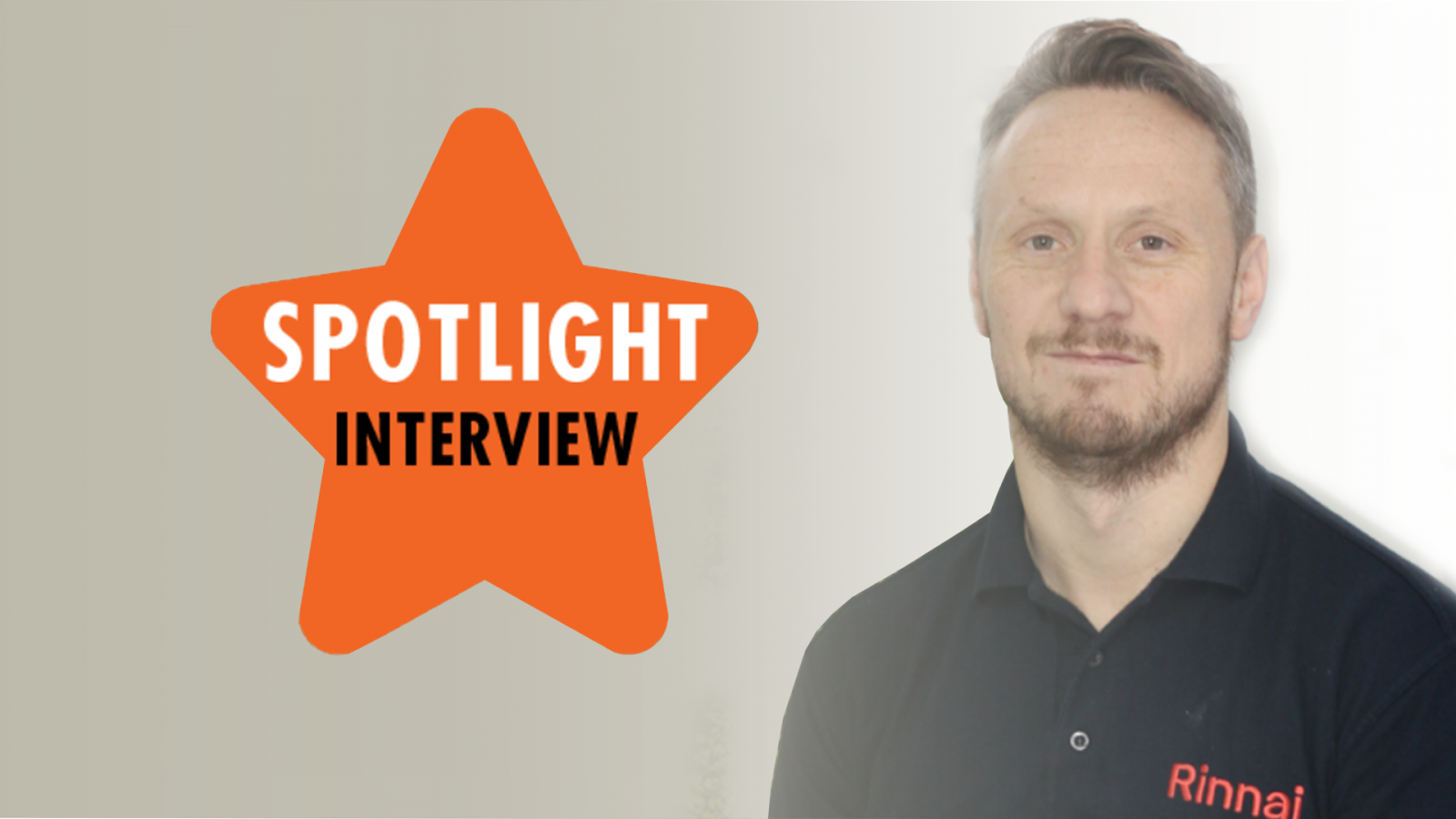
In the second of this three-part mini-series ThisWeekinFM speaks to Chris Goggin, Director of Operations at Rinnai UK, the world’s largest manufacturer of gas appliances, regarding the challenges and strategies for decarbonising the non-residential building sector in the UK.
Goggin emphasises that there is no "silver bullet" for decarbonising existing commercial and public buildings. Many of these structures were not designed for modern energy standards, carbon targets, or current heating technologies.
Some of the current challenges include:
- Physical Constraints: Limited space for equipment and thermal storage.
- Infrastructure Issues: Restricted electrical capacity, which makes necessary upgrades slow and costly.
- Operational Needs: High-temperature system requirements and specific, often varying, hot water demands.
- Disruption: Attempting to force a single, ill-suited technology onto these buildings can lead to increased costs, poor performance, and heightened operational risk.
Instead of relying on one system, Goggin advocates for a "mixed technology approach," where different systems are used for specific tasks within the same building to optimise performance.
- Base Load vs. Peak Demand: Heat pumps can be utilised for base load space heating to provide strong carbon benefits, while high-efficiency systems are used for peak hot water demands where temperature resilience and reliability are critical.
- System Integration: Combining these technologies with intelligent controls and thermal storage allows each system to operate at its peak performance level.

As Energy Performance Certificate (EPC) reforms evolve and operational performance becomes increasingly transparent, the focus must shift from ideology to engineering common sense.
- Long-term Benefits: A mixed technology strategy reduces transition disruption, allows for phased capital investment, and helps manage risk.
- Opportunities for FM Teams: The speaker highlights that EPC reform presents a significant opportunity for Facilities Management (FM) teams to lead the transition. By leveraging the right data, technology, and partnerships, teams can convert compliance pressures into long-term performance improvements.
Spotlight Interview – Chris Goggin | Rinnai – Part 1 – see here.
Picture: A headshot of Chris Goggin, Director of Operations at Rinnai UK.