.gif)

.gif)
Spotlight Interview – Sunita Gordon | SaferSpace
Sunita Gordon is the Co-Founder and CEO of SaferSpace, an app that allows employees to report unacceptable behaviour and harassment in the workplace...
Read Full Article.png)

The Leading News & Information Service For The Facilities, Workplace & Built Environment Community
Lester Morse, Rehabs UK Founder and Director, warned that HR professionals should be vigilant as Dry January helps many people across Britain's workplaces to reset their relationship with alcohol, but the challenge can trigger a ‘Febru-Lairy’ binge‑and‑justify cycle.
Morse refers to:
These findings suggest that while most people use Dry January as a reset, a number struggle and may actually be at higher risk of heavier drinking afterwards.
What is Febru‑Lairy?
Febru‑Lairy is the tongue‑in‑cheek name Rehabs UK addiction specialists coined to describe the pattern of ‘reward drinking’ in February, when people feel they’ve earned a binge after a month of abstinence.
As a reported whopping 17.5 million Brits took part in Dry January, the sober-curious movement is now decidedly mainstream. The challenge is gaining popularity for a reason: many participants are reporting better sleep, mood, blood pressure, and long‑term reductions in drinking. However, addiction experts say that these benefits are only seen by those who reflect and change habits, not just partake for 31 days and then go “Febru‑Lairy”.
Morse says: “For most, having a celebratory drink and joking around is all in good fun. But for those that feel the need to “make up for lost time” and struggle to control their alcohol intake in February, it may be a sign of a problematic relationship with the substance.”
The Binge-purge trap
Morse notes that many people mistake being able to take one month off as evidence that they are in control of their drinking: "Events like Dry January don't work for everyone because they can trap people in a 'binge-purge' cycle: the mindset of ‘earning’ a binge after going sober for a while.”
About 15% of those who didn’t complete Dry January reported drinking to the point of drunkenness more often in the following months, versus roughly 6% of those who finished, suggesting that some failed attempts may indicate escalating risk.
Morse continues: “When you treat sobriety as a month-long 'pass or fail' test, you’re just creating a sense of deprivation that makes the drink even more attractive. I’ve seen it many times: people white-knuckle it through January only to hit it twice as hard in 'Febru-Lairy' because they haven't actually changed their relationship with alcohol.”
Red flags to watch out for in the workplace during and after Dry January
"In the workplace, red flags around an employee’s relationship to alcohol are sometimes less about how much a person appears to physically consume, and more about their attitude towards it,” says Morse. “If an employee views Dry January as a horrendous experience they’ve managed to survive, and February as an opportunity to 'make up for lost time', this could indicate that the mental obsession with alcohol never went away.
"HR managers should be vigilant for a sudden dip in a person’s mood or performance, irritability, a sense of restlessness as the weekend approaches, or discussing how hard they’re going to 'celebrate' their freedom from Dry January.”
A sudden shift from regularly drinking to going totally sober can cause withdrawal symptoms, ranging from mild to severe. Alcohol functions as a depressant on the central nervous system, which means it reduces brain activity. Over time, the body becomes accustomed to the presence of alcohol.
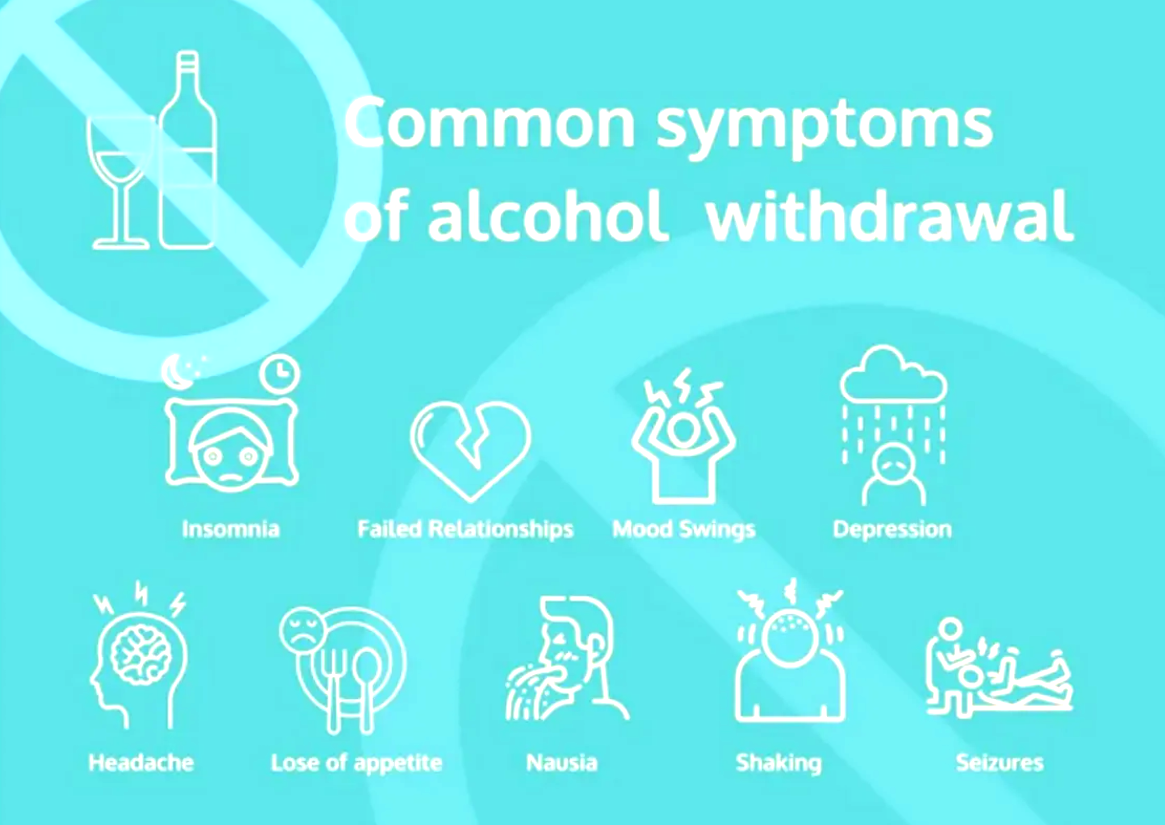
If an employee has reached this point in Dry January and found the promised health benefits seriously lacking, it might be down to withdrawal. The common symptoms of withdrawal include:
In more severe cases, symptoms can also include seizures (fits) and seeing things that are not actually real (visual hallucinations). For those who have slipped into an alcohol dependency, the only way to remove the alcohol safely is through an alcohol detox treatment: a slow tapering with medical advice, or using medication. Anyone drinking heavily daily, or experiencing withdrawal symptoms like shakes or hallucinations, should seek urgent medical advice before attempting to stop.
Morse concludes: "If you’re concerned about an employee's post-Dry January drinking, it’s time to initiate a sensitive and non-judgemental conversation, in line with company conduct guidelines."
PIcture: An infographic showing the symptoms of alcohol withdrawal.
Article written by Dave Mapps | Published 19 February 2026
Sunita Gordon is the Co-Founder and CEO of SaferSpace, an app that allows employees to report unacceptable behaviour and harassment in the workplace...
Read Full ArticleCIPD research shows a potential link between neurodiversity and harassment at work. In a survey of over 1,000 workers, 790 people considered themselves to be...
Read Full ArticleThe Chartered Institute of Personnel and Development is collaborating with Helen Tomlinson, the UK government’s first Menopause Employment Champion, to champion...
Read Full ArticleA new poll from the Chartered Management Institute suggests that employees want work parties to be organised around activities that don’t involve...
Read Full ArticleAyesha Fordham, Membership and Partnerships Manager at the Employers’ Initiative on Domestic Abuse and Natalie Curtis, Regional HSE Advisor at Balfour Beatty will...
Read Full ArticleAtlas FM has become a Fostering Friendly Employer, and says they are the first facilities management company to do so. The Fostering Network’s scheme helps...
Read Full ArticleMillions of employees across the country are set to benefit from new legislation that means flexible working can be requested from the first day of employment. The...
Read Full ArticleOfficial national mourning for Her Majesty Queen Elizabeth II has begun. Read this guide to changes in workplaces, building maintenance, and personnel that...
Read Full ArticleEmployers that use degrees to screen candidates could be missing out on key talent and exacerbating the skills gap. The CIPD asked over 2,000 senior decision-makers...
Read Full ArticleOn World Breastfeeding Week, ThisWeekinFM looks at how to create a work environment suitable for breastfeeding and what is required by law in this area. Officially...
Read Full Article