As Cooling Becomes Critical Infrastructure, Is It Time To Rethink How We Deliver It?
01 September 2026 | Updated 02 September 2026
As the UK experiences increasingly frequent periods of extreme heat, Graeme Hamilton, Managing Director of Energy at OCS, argues that cooling is rapidly becoming critical infrastructure rather than simply a building services concern.
The UK’s relationship with cooling is changing. For decades, heating has rightly dominated conversations around energy management and building performance. Cooling, meanwhile, has often been viewed as a seasonal requirement rather than a year-round strategic priority. But with temperatures rising and the increasing frequency of heatwaves, that mindset is beginning to shift.
Today, cooling is increasingly critical to operational resilience across a wide range of sectors. From hospitals and universities to supermarkets and data centres, organisations depend on reliable cooling systems to protect people, assets and business continuity. As demand continues to grow, with research from Taylor & Francis1 indicating a 45% increase by 2050, cooling is becoming an increasingly important part of the UK’s energy challenge.
Cooling Demand is Rising
Heatwaves provide a clear illustration of why this matters. In retail environments for example, a poorly maintained air conditioning system can quickly result in significant financial losses. Something as simple as a blocked filter can reduce performance when cooling is needed most, putting temperature-sensitive products at risk. For healthcare providers, effective cooling is vital in supporting patient wellbeing, protects critical medicines and helps maintain safe environments for staff and visitors.
What was once considered more of a comfort issue is quickly becoming a business continuity issue. Organisations are recognising that reliable cooling is essential to maintaining safe, productive and resilient working environments during periods of extreme heat.
The Growing Pressure On Energy Infrastructure
The challenge extends beyond individual buildings. Cooling demand typically increases during periods when electricity networks are already under pressure. As air conditioning and refrigeration systems work harder, electricity consumption rises sharpy, often creating peaks in demand. At the same time, extreme heat can affect the performance of substations, transformers and overhead power lines, creating additional strain on the infrastructure required to deliver energy.
This growing link between cooling demand and grid resilience is becoming increasingly harder to ignore. The UK is simultaneously electrifying transport, industry and heating while also supporting rapid growth in digital infrastructure. Data centres in particular are creating significant new cooling requirements as organisations expand their use of cloud computing and AI technologies. These facilities depend on constant, highly reliable cooling to maintain performance and prevent disruption.
A Case For Cooling As A Service
Against this backdrop, organisations must find ways to meet rising cooling requirements without undermining their sustainability ambitions. Simply increasing cooling capacity is unlikely to be the answer. Instead, there is growing need to focus on smarter, more efficient ways of delivering cooling services. This raises an important question: should we begin treating cooling in the same way we treat energy and heating, through service-based models that focus on outcomes rather than assets?
The concept of Cooling as a Service is already gaining traction in some international markets. In India, Cooling as a Service and district cooling schemes are being deployed in developments such as GIFT City in Gujarat and Tata Intellion Park in Gurugram. Similar models have become well established across parts of the Middle East, particularly in cities like Dubai, where district cooling networks are increasingly treated as core infrastructure for urban developments. Rather than purchasing and managing cooling infrastructure outright, organisations pay for the cooling performance they require, while providers take responsibility for system efficiency, maintenance and optimisation.
Such an approach can create several benefits. It encourages continuous performance improvement, supports predictive maintenance, reduces the likelihood of failures during extreme weather and can help organisations access more efficient technologies without significant upfront investment. Most importantly, it aligns operational resilience with energy efficiency objectives.
Preparing For A Warmer Future
As the UK adapts to a warmer climate and extreme weather continues to become the ‘new normal’, supported by research from the Met Office2, cooling can no longer be considered a secondary building service. It is becoming essential infrastructure that underpins productivity, public services and economic growth. The organisations that plan for this now, through better maintenance, smarter technologies and innovative delivery models, will be best placed to remain resilient while continuing their journey towards net zero.
1. Research from Taylor & Francis – see here.
2. Research from the Met Office – see here.
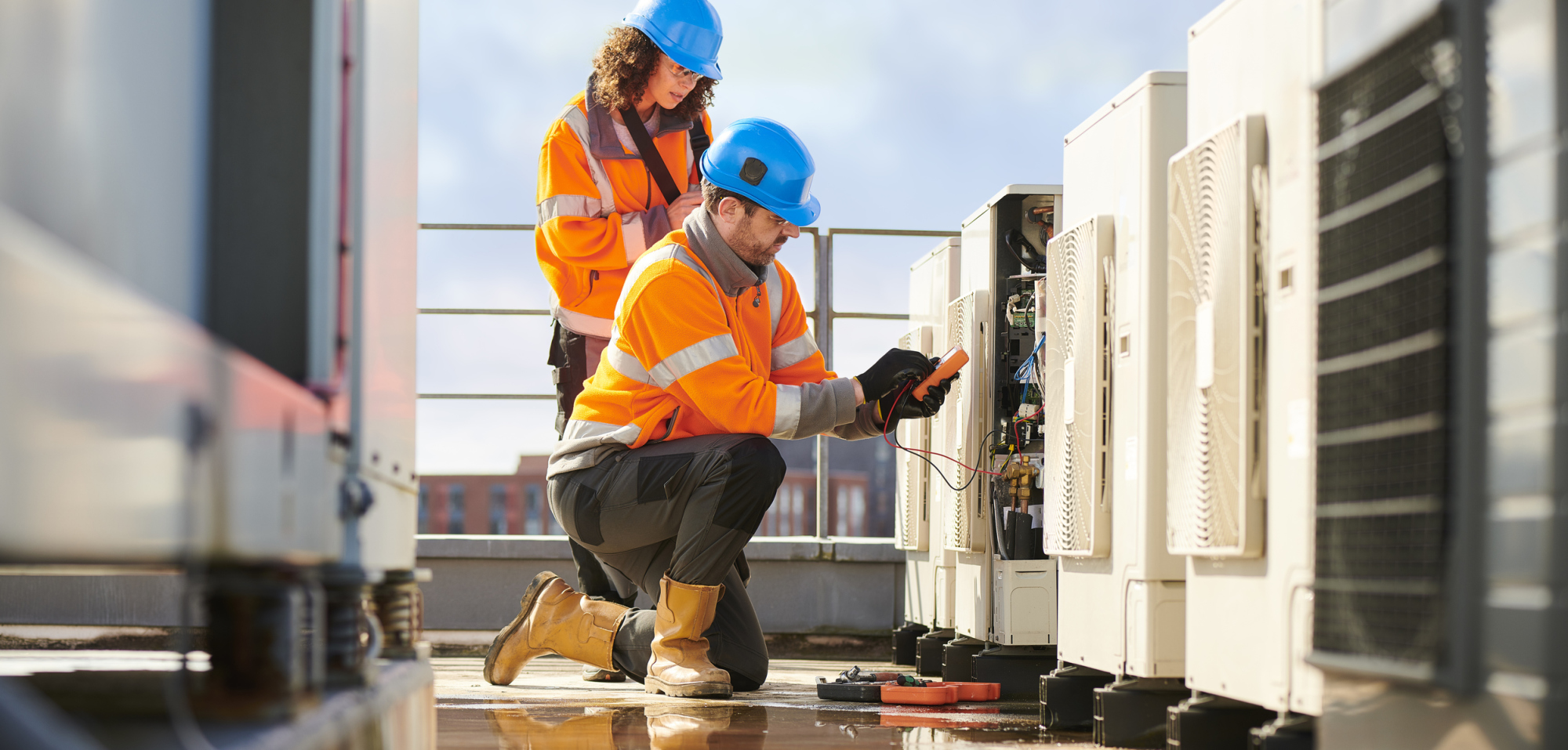
Picture: Two technicians wearing hard hats and high-vis inspect HVAC cooling units on a rooftop.
Article written by Graeme Hamilton | Published 01 September 2026
From Drought To Downpours – Rethinking The UK’s Water Resilience
Steve Harding, Founder and CEO of Showerkap, warns that as the UK moves from dry periods to heavier rainfall, the challenge is no longer just whether we have enough water...
Overheating Concerns Put Building Temperature Control Under The Spotlight
Glynn Williams, Senior Area Sales Director for UK & Ireland at Grundfos Commercial Building Services advises that new climate projections suggest UK buildings will...
New Met Office Data to Help FMs Respond to Climate Change
A new climate data portal from the Met Office will allow facilities managers to investigate physical climate risks over the next 50 to 100 years.
As part of the...
The Met Office has confirmed that 2022 was the UK’s hottest year on record, with an average temperature of over 10°C recorded for the first time.
The full UK...
As people are urged to restrict their water use to protect supplies during the current heatwave, what would it practically mean for businesses if a drought is...
How Do Facilities Management Teams Cope in Heatwaves?
Risk of heat-related illness among staff, keeping older buildings cool and security concerns from open doors and windows – these are just some of the additional...
Nationwide Air Conditioning Extends 15 Year Partnership With David Lloyd Clubs
A national partnership.
Renewed and extended.
Nationwide Air Conditioning, a 100% employee-owned business, continues its fifteen-year engineering partnership with...
More Efficient Cooling Needed As UK Data Centre Demand Rises
As investment in UK data centres continues to gather pace, Pieter Swart, Head of Specification, Fire & Modular Systems at Grundfos, is urging operators to prioritise...
60% Of Businesses Look To Adapt Operations In Response To Extreme Heat
According to the Q2 Barclays Business Prosperity Index1, six in 10 businesses surveyed (60 per cent) have either increased investment to adapt to extreme heat (37 per...
Rinnai Director, Chris Goggin, looks at how heat pumps being classified as a main solution towards decarbonisation compares to the direction of the UK’s low carbon heating and hot water technology market. Click Image To Read More
Nationwide Air Conditioning Extends David Lloyd Contract
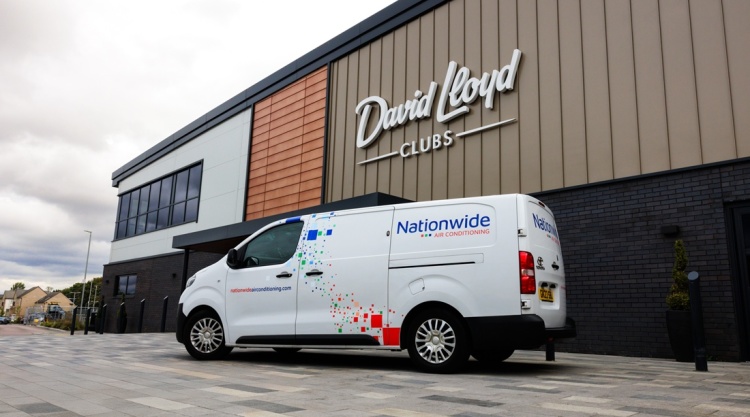
Their 15-year partnership extended to cover Ireland, over 115 clubs and over 10,000 assets. Click Image To Read More
Andy Burnham: A New Direction On NetZero & Possible Future Pathways?
Rinnai Director Chris Goggin evaluates the new potential path of UK emissions reductions under Prime Minister Andy Burnham. Click Image To Read More
Boat Party 2026 Highlights
9 July 2026
400 FM professionals gather on the River Thames. Learn More Here >>
2027 Date announced soon.
Risk Now A Critical Piping System Specification
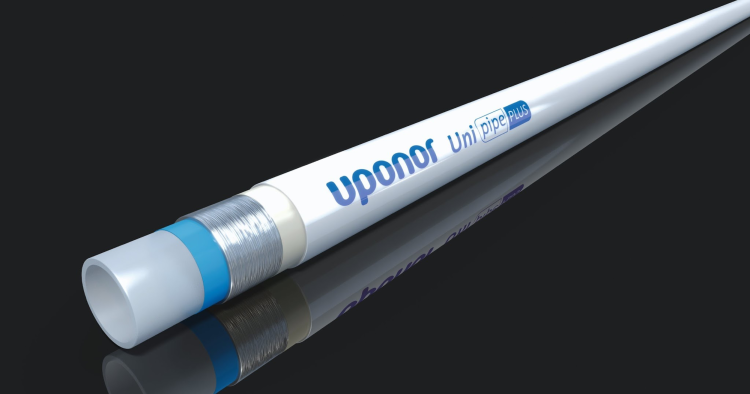
James Griffiths, Head of Projects at GF Building Flow Solutions, explores how pipe theft forces industry to reconsider long-established specification decisions. Click Image To Read More
Energy Transition Update
Guest Editor, Daniel Lynn, gives examples demonstrating the direction of a collaborative and global energy transition from separate international regions. Click Image To Read More

.gif)
.gif)