From Reactive To Resilient: Rethinking How We Manage Ireland’s Buildings
25 November 2026 | Updated 24 November 2026
Joan McKay, Senior Director of Technical Services at ABM Ireland, has a simple argument: reactive work will always be part of FM, but when it becomes the main strategy, buildings pay for it in energy, comfort and downtime.
A system can keep running while its performance slowly gets worse, and the problem only shows when the weather turns or demand rises. With unpredictable weather becoming the norm...what are the main considerations?
When something goes wrong in a facility, the immediate priority is to fix it, restore the system and minimise disruption. Reactive work will always be part of facilities management. The problem is when responding to failure becomes the main approach to maintaining a building. When that happens, buildings pay for it in energy, comfort and downtime, particularly as they head into the heating season and more unpredictable weather and operational demands place greater pressure on building systems.
For building owners and facilities teams, greater resilience starts with spending less time responding to avoidable failures and more time understanding how assets are performing before problems occur. In ABM Ireland’s experience, this means taking a more proactive approach to maintenance, understanding the assets within a building, their condition and how important they are to its operation. Not every piece of equipment carries the same level of risk.
If a failure in one system would have a significant impact on operations, that needs to be reflected in how it is maintained. Preventative maintenance can identify issues before they develop into failures, while good asset management allows teams to prioritise equipment according to its condition, criticality and potential impact on operations. HVAC is a good example. A system can continue to operate while its performance gradually deteriorates. Filters can become restricted, components can wear and controls can become less effective. None of these necessarily causes an immediate breakdown, but they can make the system work harder and use more energy. When the weather turns or demand increases, those underlying issues can quickly affect comfort, energy use and operational continuity.
Turning Building Data Into Earlier Action
Technology is changing what is possible when it comes to maintenance. Building Management Systems, sensors and monitoring tools can give facilities teams more information about how equipment is performing. Rather than relying entirely on scheduled checks or waiting for someone to report a problem, teams can monitor changes in temperature, energy use, occupancy and equipment performance. That information can help identify problems earlier.
If equipment is using more energy than expected, or operating outside its usual pattern, taking account of factors such as weather, occupancy and operating hours, an engineer can investigate before a potential issue develops into a larger fault. This is where condition-based and predictive maintenance can add value. They do not replace planned maintenance; they use real-time and historical performance information to make interventions more targeted and timely.
The same applies to energy monitoring. Looking at energy use at shorter intervals can give organisations a better understanding of where energy is being used and where improvements can be made. Establishing energy baselines and monitoring variations can highlight issues that might otherwise be missed when energy use is only reviewed through monthly or quarterly bills.
At ABM Ireland, we have seen the value of this approach in practice. Across 14 An Post sites, secure remote access to Building Management Systems has improved visibility of energy performance, enabled faster identification of inefficiencies and reduced the need for unnecessary site visits.
Looking At The Building As A Whole
Building systems do not operate independently. Heating, cooling, ventilation, insulation, glazing, lighting and controls all influence how a building performs. Improving one element without considering the others can limit the overall benefit.
Maintaining existing equipment properly is an obvious starting point. Where technical assessment supports it, improvements to insulation, glazing and air leakage can also reduce energy demand, while heat recovery and demand-controlled ventilation can improve airflow without placing unnecessary demand on HVAC systems.
Building controls are another important consideration. Systems can be adjusted according to occupancy, time of day and external conditions rather than simply running to a fixed schedule. Where the building, system and external conditions allow, outdoor air can also reduce reliance on mechanical cooling. In many cases, optimising existing systems can make a meaningful difference before major capital investment is considered.
A recent ABM assessment at a prison demonstrated how this approach can work in practice. Faced with an overheated corridor with no fresh air, the team identified spare capacity in an existing air handling unit, enabling improved ventilation without the need for new plant.
Climate Resilience Starts With Everyday Maintenance
Periods of extreme weather, whether a heatwave or a cold snap, provide a clear example of how changing conditions can expose weaknesses in a building. Heating and cooling systems have to work harder, underlying maintenance issues become more apparent and controls that are not operating effectively can affect both comfort and energy use.
But the wider lesson is not only about extremes. Buildings must also cope with changing conditions throughout the year, from temperature and rainfall to shifts in occupancy, operating hours and building use. Resilience therefore needs to be part of normal building management, rather than something addressed only when disruption occurs.
For our facilities teams at ABM Ireland, this means continually looking ahead: understanding whether equipment is being maintained properly, whether controls are working as intended, which assets are becoming less reliable and whether the available data is informing the right decisions.
Ultimately, our aim is to make buildings easier to operate, maintain and adapt - not simply to repair equipment when it fails. Our operational experience should also shape design and refurbishment, so that new systems are practical to maintain from day one. Reactive work will always be necessary, but it should not be the main strategy. By combining asset knowledge, planned maintenance and performance data, facilities teams can identify emerging problems earlier and provide better-informed evidence for future investment.
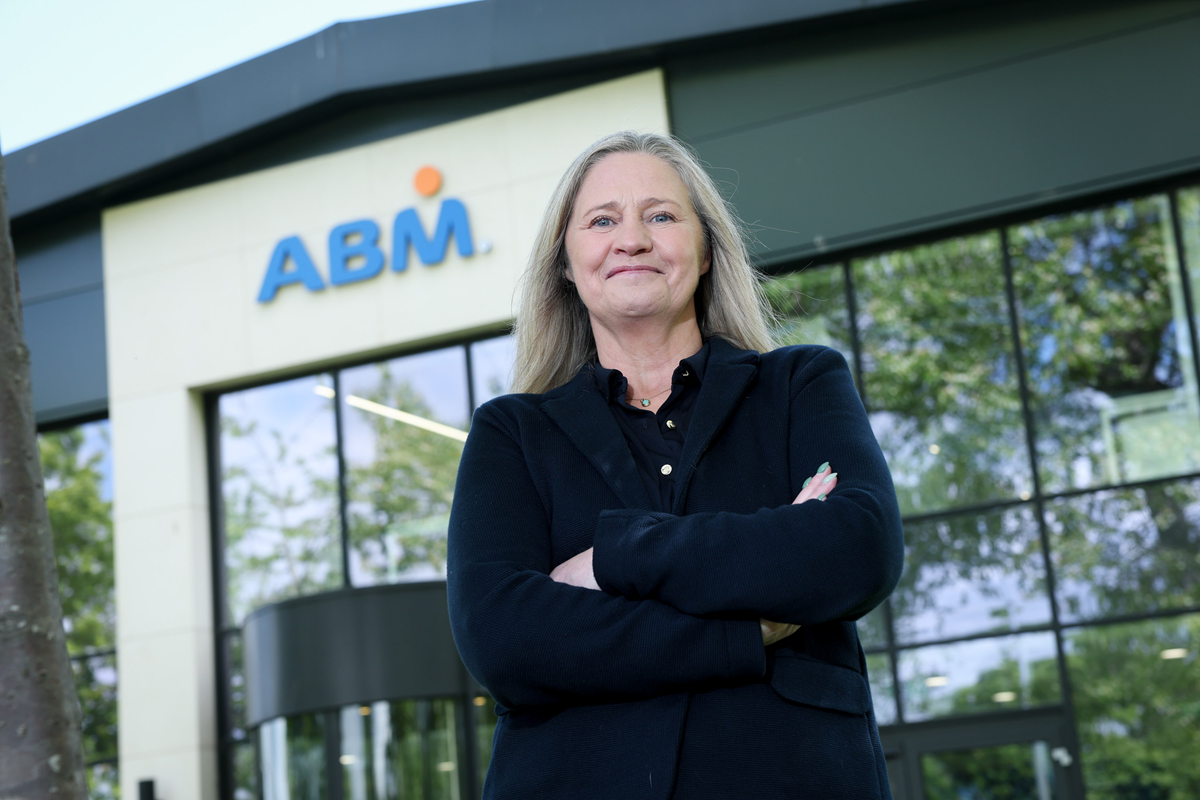
Picture: An image of Joan McKay, Senior Director of Technical Services at ABM Ireland, outside an ABM office.
Article written by Joan McKay | Published 25 November 2026
As Cooling Becomes Critical Infrastructure, Is It Time To Rethink How We Deliver It?
As the UK experiences increasingly frequent periods of extreme heat, Graeme Hamilton, Managing Director of Energy at OCS, argues that cooling is rapidly becoming critical...
Overheating Concerns Put Building Temperature Control Under The Spotlight
Glynn Williams, Senior Area Sales Director for UK & Ireland at Grundfos Commercial Building Services advises that new climate projections suggest UK buildings will...
Global FM business ABM UK & Ireland has acquired Dublin-based facilities service provider LMC FM.
The deal is part of ABM’s strategy to grow via strategic...
What Preventative Maintenance is Required to Keep Heating Systems Safe?
As the UK lockdown continues, building owners must be vigilant about implementing preventative maintenance to protect heating systems in their empty...
ABM, a provider of facility, engineering, and infrastructure solutions, has announced the following executive leadership changes, effective November 1, 2026, designed to...
Rinnai ‘Learn And Earn’ CPD Bursaries At Elemental Show
Rinnai is continuing to offer its highly prized discretionary bursaries of up to £200 for eligible visitors to the their stand, E224, at this year’s Elemental...
Nationwide Air Conditioning Extends 15 Year Partnership With David Lloyd Clubs
A national partnership.
Renewed and extended.
Nationwide Air Conditioning, a 100% employee-owned business, continues its fifteen-year engineering partnership with...
More Efficient Cooling Needed As UK Data Centre Demand Rises
As investment in UK data centres continues to gather pace, Pieter Swart, Head of Specification, Fire & Modular Systems at Grundfos, is urging operators to prioritise...
We've Been Wrong About Gen Z And The Office. The Data Proves It
Simon Barnes, Vice President Sales and Marketing, ABM UK & Ireland, highlights that contrary to assumptions, Gen Z spends the most days in the office seeking...
SAV Launches Ravenwatch To Help Heat Networks Deliver For Consumers
SAV, a provider of renewable and heat network technology, has launched RavenWatch, a new monitoring platform developed specifically around the challenges of operating UK...
ThisWeekinFM Guest Editor, Daniel Lynn, has searched for and found numerous examples of noteworthy economies and big business cooperating in an active global energy transition. Click Image To Read More
Delivering Optimised Heat Pump & Hybrid System Performance
Pete Seddon, Head of Technical at the Rinnai UK Applied Design Team discusses the important details which maximise the overall performance of hybrid heating & hot water systems. Click Image To Read More
Advanced Secures Eight Finalist Places At Industry Awards
Fire safety manufacturer Advanced named finalist in eight categories, five at the Security & Fire Awards for Excellence 2026 and three at the ECN Awards 2026. Click Image To Read More
Boat Party 2026 Highlights
9 July 2026
400 FM professionals gather on the River Thames. Learn More Here >>
2027 Date announced soon.
How Do We Make The Market Work For Heat Pumps?
Rinnai Director Chris Goggin explains how heat pump market growth is essential, but volume alone cannot deliver decarbonisation. The market must also protect system quality, affordability and long-term performance. Click Image To Read More
Advanced Unveils Smart Walk Test
Advanced launches the Smart Walk Test in AdvancedLive, for guided weekly testing, digital record-keeping and improved visibility of fire system compliance. Click Image To Read More