New Analysis Warns Of Biggest Energy Cost Surge Of The Decade
28 September 2026
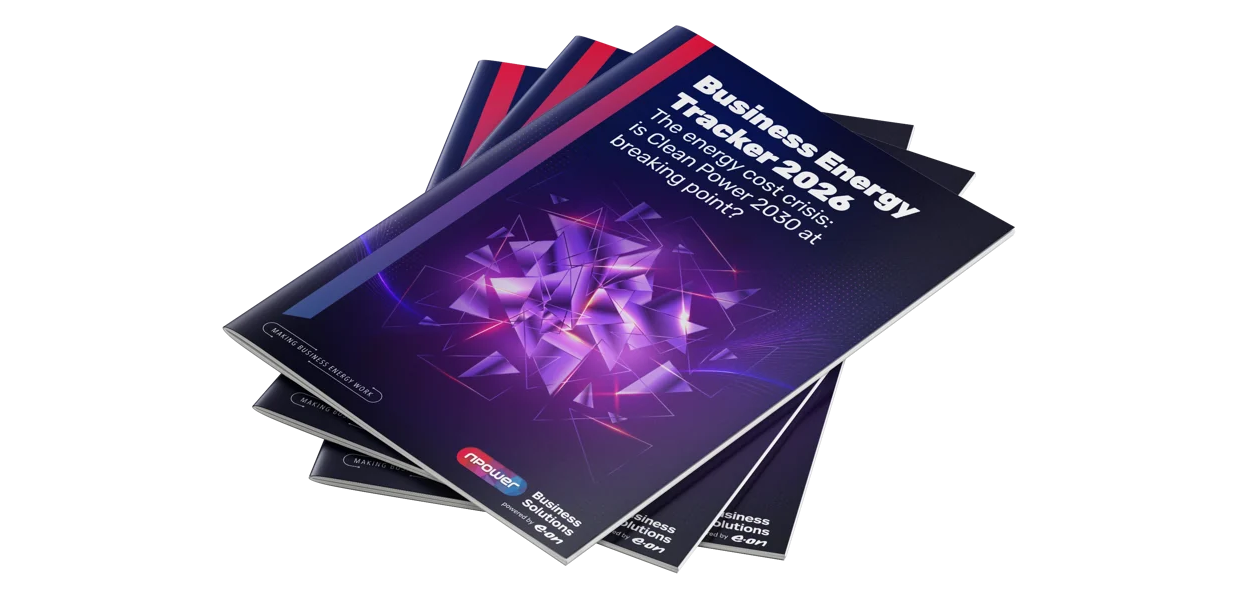
Businesses are calling on the UK government to reconsider its Clean Power 2030 target due to concerns about the cost impact of delivering the transition, according to figures from the latest Business Energy Tracker from npower Business Solutions (nBS).
The report - The energy cost crisis: is Clean Power 2030 at breaking point?1 - gathered the views of more than 400 large business energy users from across the UK. It revealed that one in 10 are starting to say that the government should push the target back to 2035 as rising non-commodity costs - the network, system and policy costs that are needed to fund the clean energy transition - ramp up over the next few years.
While the majority still back the 2030 target, new analysis from nBS shows that winter 2027/28 is expected to contain the highest peak period for business energy costs between now and 2031, potentially reaching around £523 per megawatt hour (MWh) during the Capacity Market (CM) charging period in January 2028. This means that businesses have just over a year to prepare before this ‘cost peak shock’ arrives.
Figures from the business energy supplier also show that, compared to the EU14 median (the average across 14 European countries including France, Germany, Italy and Spain), UK medium-sized, large and very large businesses are paying 90%, 130% and 110% more respectively for their electricity than their European counterparts.
This is because, since 2021, EU nations have taken steps to suppress policy costs on commercial energy, whereas costs in the UK have increased.
As a result, for the fifth consecutive year, the Business Energy Tracker shows that energy is the top business risk, with nine in 10 (93%) businesses saying they are concerned about the financial impact of clean power, and 78% predicting a rise in energy costs over the next 12 months.
In addition, while three quarters (76%) now accept that the commercial sector will have to foot some of the bill, one in three (32%) do not believe the current levels of non-commodity costs are fair.
This means that the top ask for Energy Secretary, Miatta Fahnbulleh, and Business Secretary, Jonathan Reynolds, is to introduce a new scheme of direct financial support for businesses that need help with energy costs.
While initiatives such as the British Industrial Competitiveness Scheme (BICS) have been welcomed, 86% of the businesses surveyed also believe a new financial framework should be introduced to support those who fall outside the scope of BICS.
Anthony Ainsworth, Chief Operating Officer at nBS, said: “Our analysis shows that UK businesses are facing an uphill battle when it comes to electricity costs. While many may have survived the initial energy storm, rising non-commodity charges mean the financial tide is still rising - and our figures show that the true cost peak is still ahead.”
Ainsworth continued: “That said, while we are starting to see calls for the clean power target to be delayed, it is important to note that businesses do not want the target to be scrapped. They understand the multiple benefits that a homegrown, renewable system will bring. However, costs that they can’t control are impacting confidence and competitiveness. It’s like trying to pay off a mortgage in five years rather than over 30 years.
Ainsworth added: “This report shows that new thinking is needed. We are proud that the findings from our previous reports have supported vital policy interventions from DESNZ and BIST, including simplified planning processes for renewables projects, and the introduction of BICS, as well as shaping conversations with Number 10.
Ainsworth highlighted: “We will continue to bring forward the voice of business with this year’s key ask: the way the UK’s clean power ambitions are funded risks creating a competitiveness crisis unless the costs are spread more fairly and over a longer period. British businesses need to be supported if they are to survive the cost of the transition.”
1. The energy cost crisis: is Clean Power 2030 at breaking point? report – see here.
Picture: An image of three Business Energy Tracker 2026 reports stacked on top of one another at an angle.
Article written by Dave Mapps | Published 28 September 2026
BCIS Reveals Updated Five-Year Maintenance, Cleaning And Energy Forecast
Maintenance costs, as measured by the BCIS All-in Maintenance Cost Indices – General index, are forecast to rise by 15.3% over the five years to 2Q2031, according...
David Axon, chairman of AirPlus Renewables, explains why the rapid growth of data centres is exposing the limits of a centralised energy system and why generating more...
Labour Party Launches National Mission on Clean Energy
Labour leader Sir Keir Starmer has vowed to end North Sea oil and gas exploration and to set up a publicly owned green energy company.
If successful in the next...
Businesses Who Fixed Energy Contracts in 2022 Face 133% Rise
Data suggests that businesses that fixed their energy contracts at the peak of the energy market last year could face up to a 133 per cent rise in bills from April....
Clean Growth Fund Leads £4.5m Investment in measurable.energy
Award-winning UK start-up measurable.energy designs and manufactures smart, machine learning-enabled power sockets to reduce the energy costs of commercial buildings by...
Improved energy security and a more secure transition to net-zero are set to be delivered through the UK government’s significant proposals to reform Great...
UK Business Energy Bills Could Increase Fivefold From October
Some UK businesses might face bills five times their current price, due to global concerns over gas supplies and tight electricity markets in Europe.
According to data...
German Cities Impose Emergency Energy Saving Measures
As gas production from Russia’s Gazprom slows, cities in Germany are switching to cold water in pools, turning off the spotlights at public monuments and banning...
What Impact Will Climate Change Have on the Security Industry? – Part One
Despite the security sector not being a key industry contributing to carbon emissions, it is expected to face significant impacts due to climate change affecting the...
The British Energy Security Strategy – The Experts React
The government’s new energy strategy plan outlines the UK’s response to the energy crisis – but what do those working in the sector have to say about...
Beyond SCOP - Estimating Real World Heat Pump Performance With SPF
Rinnai Applied Head of Design Sean Ehlen evaluates the importance of heat pump system congruity utilising Seasonal Performance Factors (SPF) as the expected performance. Click Image To Read More
Energy Transition Update
TThisWeekinFM Guest Editor, Daniel Lynn, has picked a number of examples that demonstrate an international energy transition across separate regions of the globe. Click Image To Read More
Rinnai Director, Chris Goggin, looks at how heat pumps being classified as a main solution towards decarbonisation compares to the direction of the UK’s low carbon heating and hot water technology market. Click Image To Read More
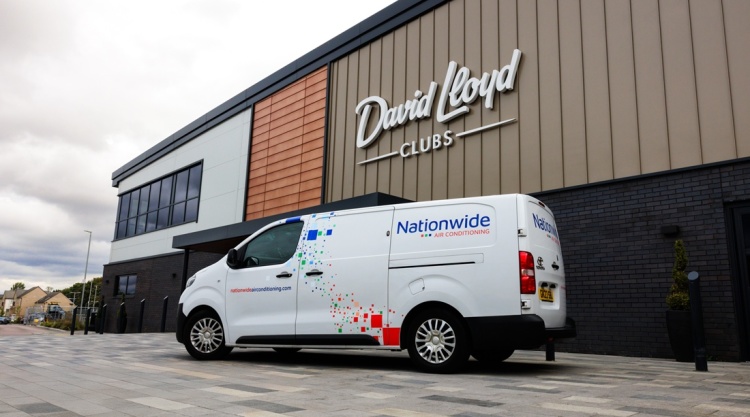
Nationwide Air Conditioning Extends David Lloyd Contract
Their 15-year partnership extended to cover Ireland, over 115 clubs and over 10,000 assets. Click Image To Read More
Boat Party 2026 Highlights
9 July 2026
400 FM professionals gather on the River Thames. Learn More Here >>
2027 Date announced soon.
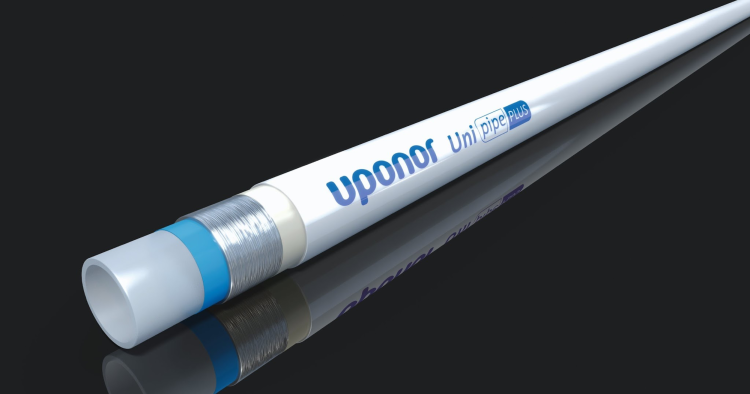
Risk Now A Critical Piping System Specification
James Griffiths, Head of Projects at GF Building Flow Solutions, explores how pipe theft forces industry to reconsider long-established specification decisions. Click Image To Read More
.png)
.gif)


.gif)