Climate Risk Now A Threat To Asset Viability Across EMEA, Says Colliers
24 June 2026
Climate and environmental pressures are intensifying across EMEA and are becoming harder for real estate leaders to ignore. New research from Colliers shows climate risk in real estate is increasingly influencing location decisions, operating performance and long-term asset strategy.
Colliers’ report, Building Resilience: 5 Megatrends Redefining Corporate Real Estate, identifies climate risk as one of five global megatrends redefining corporate real estate strategy. The research highlights two converging forces: the growing physical impacts of extreme weather events, and rising regulatory and stakeholder expectations for action, both of which are challenging the future viability of parts of the existing building stock.
In EMEA, the report finds many organisations remain underprepared. Despite increasing awareness of exposure to heat, flooding and environmental disruption, climate risk is still frequently treated as a sustainability issue rather than embedded into core location strategy, lease decisions and capital planning. Leaders, the report notes, often remain in a ‘wait and see’ mode.
This gap between awareness and action carries material implications. In some markets, new ESG and environmental requirements could render a significant proportion of buildings obsolete over the coming years without intervention. At the same time, shifts in climate patterns are altering the risk profile of locations previously considered comparatively resilient.
The report underlines the need to build climate literacy and resilience into everyday decision-making, embedding physical risk awareness across real estate, facilities, finance and operations.
Translating this risk into the EMEA context, Sam Addison, Head of Project Management, EMEA at Colliers, argues that many organisations are still underestimating the operational consequences of physical climate exposure.
For real estate decision makers, the report’s guidance is clear. Climate risk should be treated as a core strategic input, with structured assessments of location and asset vulnerability, and defined strategies for retrofitting, relocation or divestment where exposure cannot be mitigated effectively.
The research also highlights the opportunity presented by new technologies, materials and design approaches. Nature based solutions, such as landscaping to reduce temperatures or improve water management, are gaining traction as cost-effective, non-invasive ways to reduce exposure while enhancing the working environment.
Overall, the message from the report is one of urgency grounded in pragmatism. Organisations that integrate climate risk into real estate decision-making today will be better positioned to protect asset performance, operational continuity and long-term value as environmental pressures intensify.
Sam Addison, Head of Project Management at Colliers, said: “While progress on decarbonisation is encouraging, there remains a significant gap in recognising how physical risks such as flooding and extreme heat can affect buildings, supply chains and the people within them. Over the next five years, these risks could become critical.”
Addison added: “Organisations should not be signing leases without understanding the climate risk profile of the asset. A risk-based approach helps prioritise capex, inform portfolio strategy and avoid locking into assets that will underperform.”
Picture: An image of a digital panel displaying the world map with a heatmap overlaid, alongside other graphs and charts.
Article written by Dave Mapps | Published 24 June 2026
AI Clusters Expand Across Europe In New Wave Of Office Demand
Artificial intelligence (AI) is growing strongly across Europe, with AI clusters emerging in major office markets and smaller academic and specialist hubs, according to...
Power Constraints Begin To Influence Workplace Strategy And Building Performance Across EMEA
New research from Colliers shows energy risk is moving up the agenda for occupiers, building managers and workplace leaders. Access to reliable and affordable power is...
AI, Talent And Cost Are Reshaping Europe’s Financial Services Office Map
New analysis from Colliers, covering more than 200 global markets, shows how artificial intelligence, hybrid working and intensifying competition for talent are...
Ageing Workforces And Talent Gaps Put Workplace Strategies Under Pressure
Demographic change is increasingly influencing how and where organisations operate across Europe, the Middle East and Africa. According to new research from Colliers,...
Soft Service Costs Increased by 8% in 2024, Says Colliers
Colliers’ latest Occupier Cost Index shows costs remain out of step with occupancy, with soft services increasing by 8 per cent in 2024.
The Occupier Cost Index...
Costa Coffee Appoints Colliers As Estates Management Partner
Colliers has signed a deal with the UK’s largest coffee house chain to provide property management services across over 1,600 sites.
The five-year agreement...
GMS Group Wins Security and Cleaning Contract With Colliers
GMS Group has won a contract to provide FM services at several of Colliers’ Gloucester client sites.
Colliers is the managing agent for Gloucester City Council...
Atlas FM has been appointed by Colliers to provide cleaning and support services at their offices in Yorkshire and the North West of England.
The contract spans...
Rinnai Director, Chris Goggin, looks at how heat pumps being classified as a main solution towards decarbonisation compares to the direction of the UK’s low carbon heating and hot water technology market. Click Image To Read More
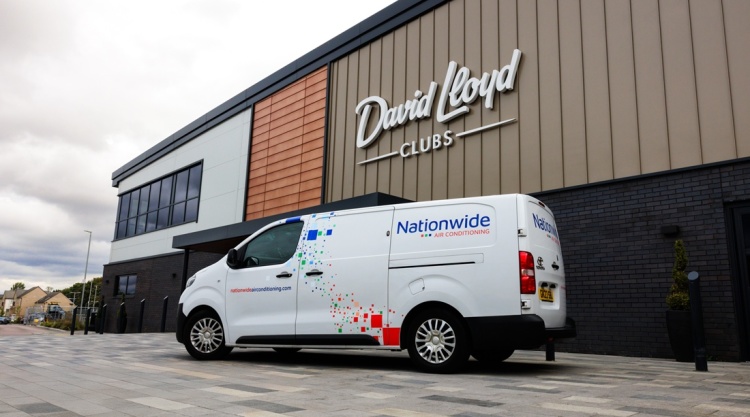
Nationwide Air Conditioning Extends David Lloyd Contract
Their 15-year partnership extended to cover Ireland, over 115 clubs and over 10,000 assets. Click Image To Read More
Andy Burnham: A New Direction On NetZero & Possible Future Pathways?
Rinnai Director Chris Goggin evaluates the new potential path of UK emissions reductions under Prime Minister Andy Burnham. Click Image To Read More
Boat Party 2026 Highlights
9 July 2026
400 FM professionals gather on the River Thames. Learn More Here >>
2027 Date announced soon.
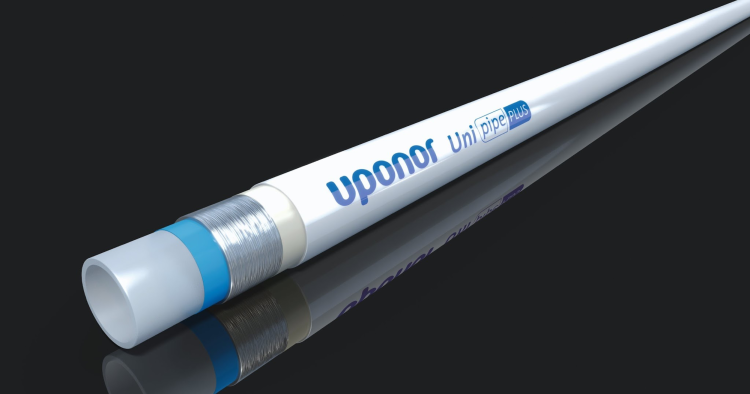
Risk Now A Critical Piping System Specification
James Griffiths, Head of Projects at GF Building Flow Solutions, explores how pipe theft forces industry to reconsider long-established specification decisions. Click Image To Read More
Energy Transition Update
Guest Editor, Daniel Lynn, gives examples demonstrating the direction of a collaborative and global energy transition from separate international regions. Click Image To Read More

.gif)
.gif)