.gif)
.gif)

Just Eat UK to Replace Corporate Fleet With Electric Vehicles
Just Eat plans to replace its entire corporate sales fleet, which consists of 175 diesel vehicles, with 100 per cent electric vehicles by 2025. The fleet is used by...
Read Full Article

The Leading News & Information Service For The Facilities, Workplace & Built Environment Community
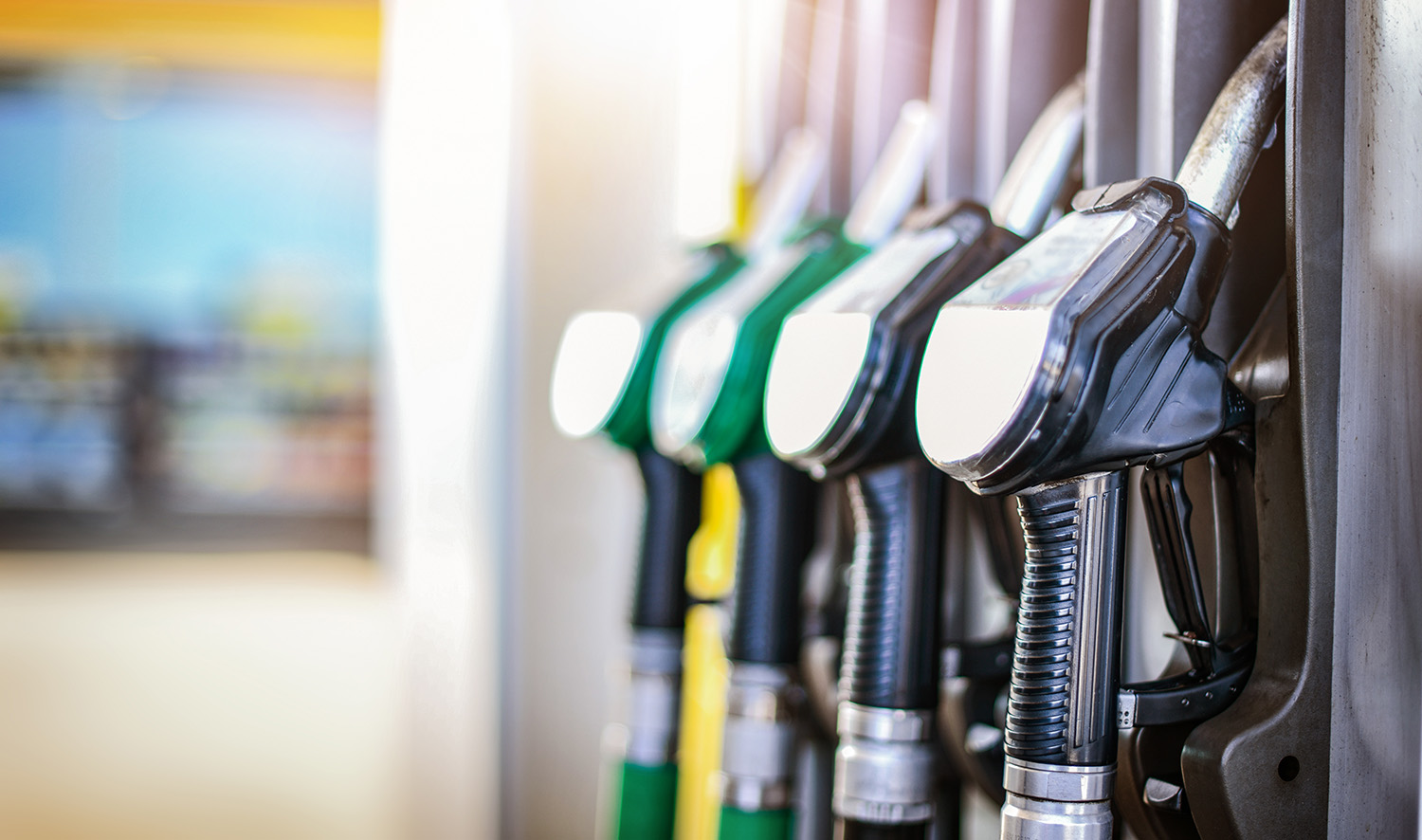
David Savage, Chief Revenue Officer at Lightfoot, says that while pump prices remain unpredictable, how efficiently vehicles are driven is something fleet operators can control and the savings are significant.
With petrol prices ranging from around 106p to 191p per litre over the past five years, and diesel from 112p to nearly 199p, long-term fuel cost planning has become increasingly difficult for fleet operators. These aren't marginal shifts, they represent swings of up to 80% that can dramatically alter operating budgets with little warning.
A range of factors have driven this instability. Issues such as Covid, the threat of international tariffs, the ongoing conflict in Ukraine and now the Middle East, and domestic challenges including increased taxation have all contributed to significant fuel price uncertainty in recent years – and with the global outlook remaining unsettled, there is little indication that volatility will ease any time soon.
The impact doesn't stop at the forecourt. Rising energy costs can ripple through supply chains, pushing up delivery costs and squeezing operational budgets at a time when many businesses are already navigating rising expenses across the board.
With the UK electricity network still partly dependent on gas-fired generation, fleets transitioning to EVs aren't immune to energy price swings.
Savage advises Fleet Managers look to technology. In-cab driver coaching technology targets the behaviours that burn fuel unnecessarily – excessive acceleration, harsh braking and engine idling. Fleets using the system have reported fuel economy improvements of up to 15%, with a further 9% MPG uplift available through the certain driver apps. In 2025, Lightfoot drivers saved around 109 litres of fuel for every 10,000 miles driven. If fuel reaches £2 per litre, that’s roughly £218 saved per vehicle.
Savage said: "Petrol and diesel costs can spike rapidly due to global events or supply pressures, and for fleets running hundreds or thousands of vehicles, even small per-litre changes can add hundreds of thousands of pounds to annual fuel bills,".
Savage added: "Volatility doesn't just affect petrol and diesel – it can also influence electricity prices. That means even fleets moving to electric vehicles need to think carefully about how they manage energy use and efficiency. The underlying principle is the same whatever the fuel type."
Savage concluded: "The reality is that fleets can't control what happens to energy prices but they can control how efficiently their vehicles are driven. In an unpredictable market, reducing consumption through smarter driving and better data is one of the most effective strategies available to fleet managers - and the results speak for themselves. In 2025, Lightfoot drivers saved around 109 litres of fuel for every 10,000 miles driven. If fuel reaches £2 per litre, that’s roughly £218 saved per vehicle – and for large fleets those efficiency gains quickly add up. That's a meaningful financial buffer against market uncertainty."
Picture:
Article written by Dave Mapps | Published 20 March 2026
Just Eat plans to replace its entire corporate sales fleet, which consists of 175 diesel vehicles, with 100 per cent electric vehicles by 2025. The fleet is used by...
Read Full Article2022 has seen several protests at refineries and fuel terminals, causing disruption in fuel supplies. Does action of this scale help or hinder progress on stopping...
Read Full ArticleIn the event of a Russian invasion of Ukraine, several markets could feel the effect, including energy, grain and fuel. The USA, UK and the EU have already begun...
Read Full ArticleThe Sony Group Corporation has exhibited a new SUV-type prototype electric vehicle at CES 2022. Sony will establish a brand new company, Sony Mobility Inc, in the...
Read Full ArticleBoth China and Norway have pledged to phase out petrol vehicles by 2050. According to new research from commercial vehicle finance company, Asset...
Read Full ArticleWates Property Services has delivered its first fleet of electric vehicles. The move is the next step in the company's commitment to eliminating waste and carbon...
Read Full ArticleWillmott Dixon is installing charging points at more than 100 locations across its sites and offices in England and Wales in 2021. Working with electric vehicle...
Read Full ArticleThe role of the facilities manager has a hugely broad remit, but what do you think should be prioritised in a post-pandemic world? FMs cover all aspects of health...
Read Full ArticleA new report highlights the impact of COVID on the future of office parking, with 26.8 per cent of employers looking to reduce employee car parks. As...
Read Full ArticleFord has introduced a smart mirror for its vans, that helps drivers clearly see cyclists, pedestrians and other vehicles behind. This new system looks exactly like a...
Read Full Article