.gif)
.gif)


McAlpine's Flexes Muscles In Support Of Flexmakers Project
McAlpine's is supporting the Flex Appeal campaign and the launch of the Flexmakers project, which aims to explore flexible working solutions for employers and...
Read Full Article.png)

The Leading News & Information Service For The Facilities, Workplace & Built Environment Community

Blue Monday (which fell on January 20th in 2020), the so called 'worst day of the year', led Sally Orton to state that businesses across the UK should stop and think about mental health.
Orton writes, according to the Mental Health Foundation, as many as 3 in 10 employees will experience a mental health problem in any one year, with around 1 in 6 people showing signs of anxiety and depression each week in the workplace.
It is an issue which affects people throughout the year - not just on Blue Monday.
The UK construction industry, in particular, throws up some deeply concerning statistics around the poor mental health of its employees, with male site workers being three times more likely to commit suicide than the average UK employee. Therefore, businesses should strive towards having staff wellbeing at the forefront of their core practices to ensure a healthy work culture is created.
Although the focus on promoting mental health in the workplace has considerably improved over recent years, as more people begin to open up and share their problems thanks, in part, to the array of positive initiatives now available, there is still a long way to go. Regardless of the job, all employers should manage and offer the right support to those who are suffering.
Stigma
In the workplace, it can be difficult to identify if and when employees may be experiencing poor mental health, as, unfortunately, many sufferers hide their symptoms due the stigma surrounding poor mental health at work. Identifying the signs becomes even more difficult for those who work offsite or remotely and men working in such environments are often perceived to be ‘thick skinned’ and lacking emotion, which is terribly misconstrued.
Spot the signs
One of the most obvious signs an employee has a mental health problem is reoccurring absences from work. This is especially evident if consistent patterns of absences are beginning to develop with that individual. However, despite absenteeism, it's very rare for an employee to call in sick and openly cite depression or anxiety as the reason for it.
Regular short-term absences that aren't accompanied by a doctor's note for a specific illness may indicate an underlying mental health condition and could be an indication that employers need to be mindful that poor mental health could be a possible cause.
Reduced productivity and lack of motivation are both clear indicators to an employer that there may be underlying issues with a staff member that may require close monitoring.
In addition, just because an employee has turned up to work does not mean that they aren’t ill and working hard to cover up their private issues. Trying to continue as normal will often exacerbate their problems as low productivity may be viewed as a lack of ability by colleagues unaware of the employee’s mental health state being the underlying issue, thereby adding to their workload pressures. The knock-on effect of this could see the employee begin to isolate themselves or become short-tempered, so any change in behaviour is another flag for concern.
Next steps
Once an employer has picked up on these signs or if an employee asks for help, the next step is to offer the required and necessary support needed to effectively and sensitively manage the issue. This could include considering flexible working hours or arranging a meeting with the company’s HR department or consultancy, to help work out the best way to help the staff member move forward.
Even with these measures in place, many of those suffering will hide the symptoms and avoid seeking help directly, so having a number of initiatives in place to encourage employees to seek help is paramount.
Culture
At the company where I work, employee-focused initiatives are at the heart of our company culture to ensure all staff are aware of the various methods of help available to them, both during and outside working hours.
Such initiatives include the Employee Assistance Programmes (EAP), a free 24/7 phone service which enables employees to share any concerns over the state of their mental health. Staff can download the App and login to access all kinds of support and advice, including short wellbeing webinars on topics such as resilience.
The service is confidential and if regular calls are made, patterns can be identified to pinpoint recurring issues which, in turn, leads to appropriate support being offered moving forward.
The NHS waiting list for mental health counselling is 26 weeks but with the EAP an employee can talk to someone within a day or two. A service like this can, quite literally, save lives, as those in the most vulnerable state can receive help almost immediately after seeking it.
Mental Health First Aid Champion
Other initiatives my firm has successfully implemented are an in-house Mental Health First Aid Champion Scheme, where nominated staff are championed as the first point of call for the nationwide team of fine finishers. Regular events such as fundraising, tea and talk sessions and monthly company newsletters, both in physical form and via social media, also greatly increase the chances of someone suffering with poor mental health to come forward, especially if the right culture is created to foster a confidential environment to do so.
Team building opportunities including anything from skydives to walks, also encourage everyone to get involved, resulting in a team ethos where employees are working together to support each other.
Awareness
Overall, by being more aware of mental health in general, employers - both in construction and other industries - can efficiently spot the signs of poor mental health in the workplace, thereby avoiding the problem escalating, yet effectively manage those who are suffering and in need of support. By implementing initiatives that create a thriving culture of openness and camaraderie between employees, an environment focusing on the protection and nurturing of mental health will be fostered.
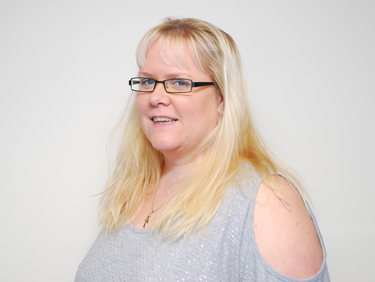
Picture: The author (seen in the colour picture) is HR Manager at Plastic Surgeon, the UK’s largest surface repair specialist. Founded in 1995. Plastic Surgeon deliver specialist repair services to the UK’s largest construction firms, house builders, insurers and homeowners nationwide.
Article written by Sally Orton | Published 17 January 2020
McAlpine's is supporting the Flex Appeal campaign and the launch of the Flexmakers project, which aims to explore flexible working solutions for employers and...
Read Full ArticleCaroline Roodhouse, Suicide Postvention Advocate, outlines the UK’s first formal framework for organisations to understand the risks of suicide and take meaningful,...
Read Full ArticleThe Health and Safety Executive has published its annual statistics on work-related ill health and workplace injuries for 2024/25. Mental health conditions remain the...
Read Full ArticleNew guidance to help employers support people affected by suicide and those with thoughts of suicide in the workplace has been published by The British Standards...
Read Full ArticleA new digital learning and wellbeing platform to connect construction workers with tailored mental health support will be piloted over the next year. Two construction...
Read Full ArticleA landmark survey into the mental health issues facing those working in construction and the built environment has launched. The Chartered Institute of...
Read Full ArticleA charity that works with armed forces' veterans is now offering a series of trauma awareness training for security employers. In conjunction with Assist Security...
Read Full ArticleActor Brian Cox has joined the campaign to raise awareness that continuous desk work negatively affects stress levels. A global report exploring the impact of daily...
Read Full ArticleTo mark World Suicide Prevention Day, security services provider First Response Group has joined the Security Consortium for the Prevention of...
Read Full ArticleThe government is proposing to consult on the “right to switch off” for employees. This would give employees the right to digitally disconnect from...
Read Full Article